
ETA Reports
West Africa Has Green Policies. Where Is the Capability?
ECOWAS adopted a renewable energy policy in 2013. Six connected gaps explain why West Africa adopts green technology without building it.
Safiya Adejoh•October 9, 2026
ECOWAS adopted a renewable energy policy in 2013. Six connected gaps explain why West Africa adopts green technology without building it.
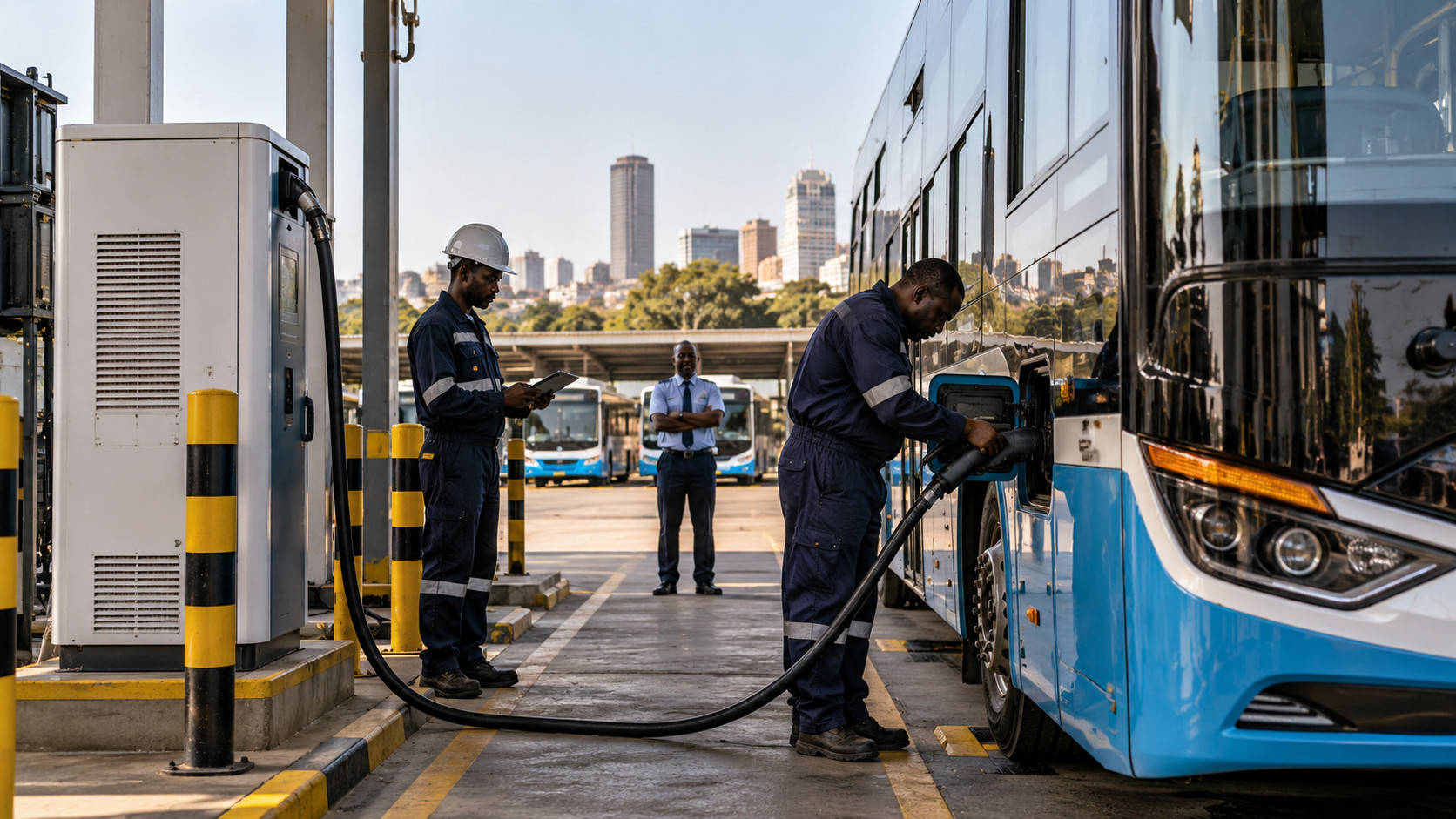
Kenya's electric bus makers have buyers. African solar and battery plants mostly sell abroad. ETA compares three products to show where demand comes from.
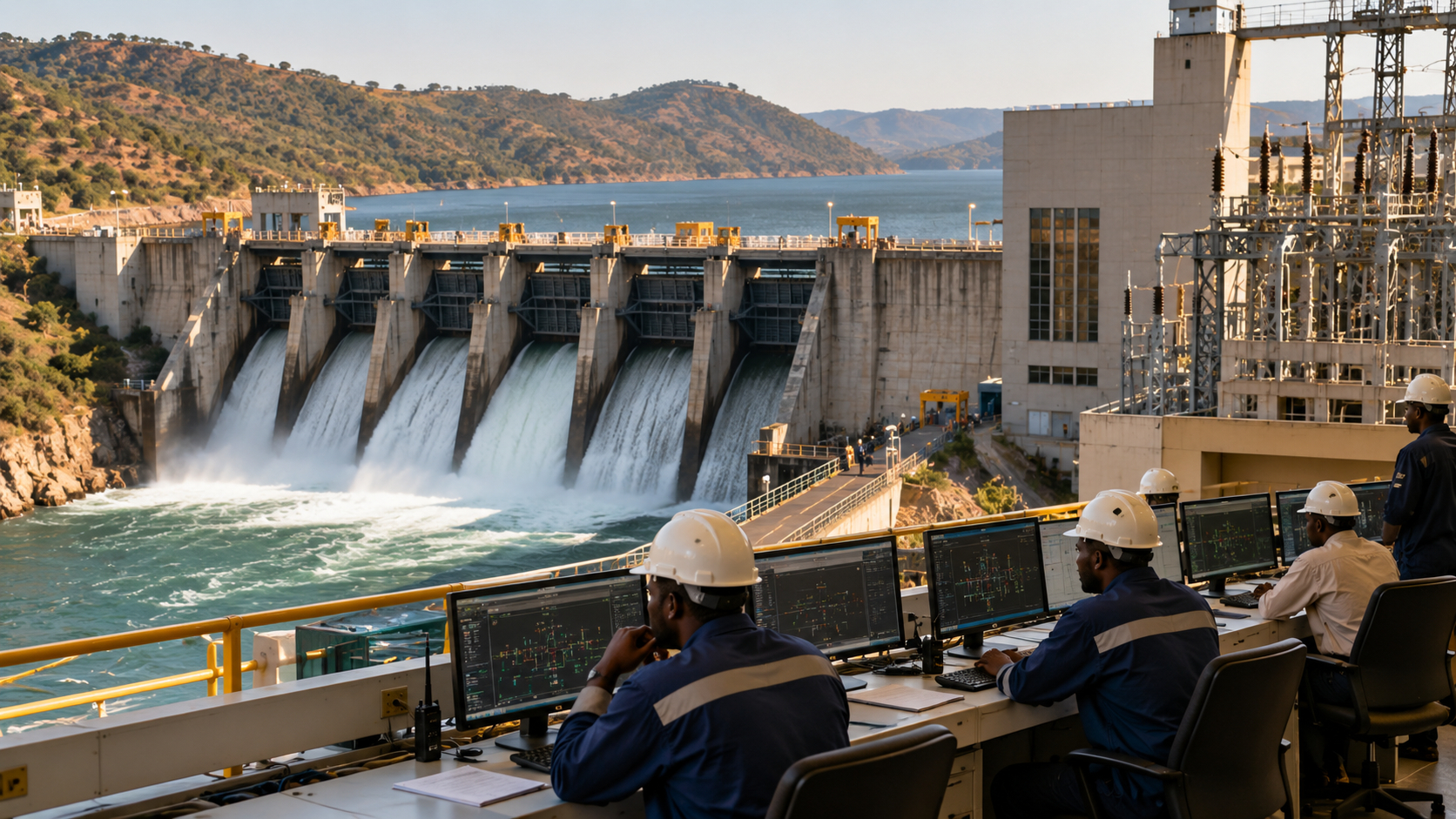
Nigerian pension funds pledged N241 billion to infrastructure, but none has moved. ETA maps which stages of an African energy project pension funds can prudently hold.
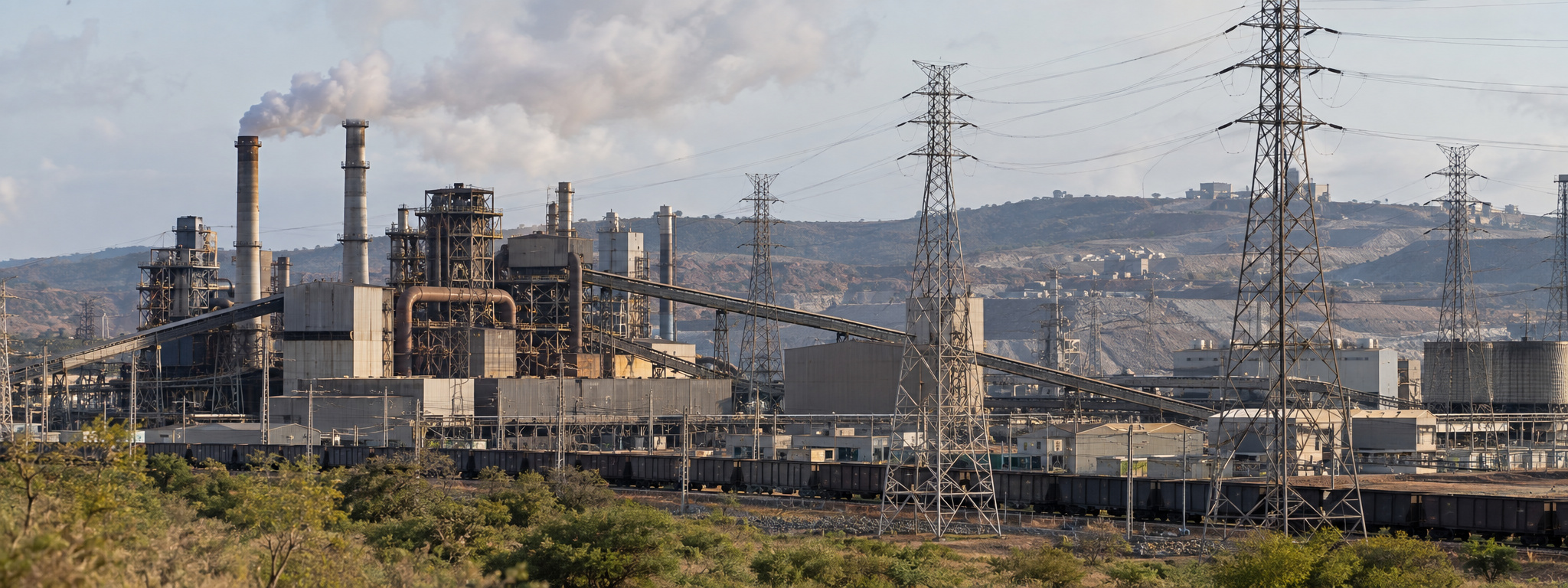
South Africa's draft electricity pricing policy commits to cheaper power for smelters and more support for poor households. Neither commitment says who pays as Eskom's grid sales keep falling. ETA examines the gap.
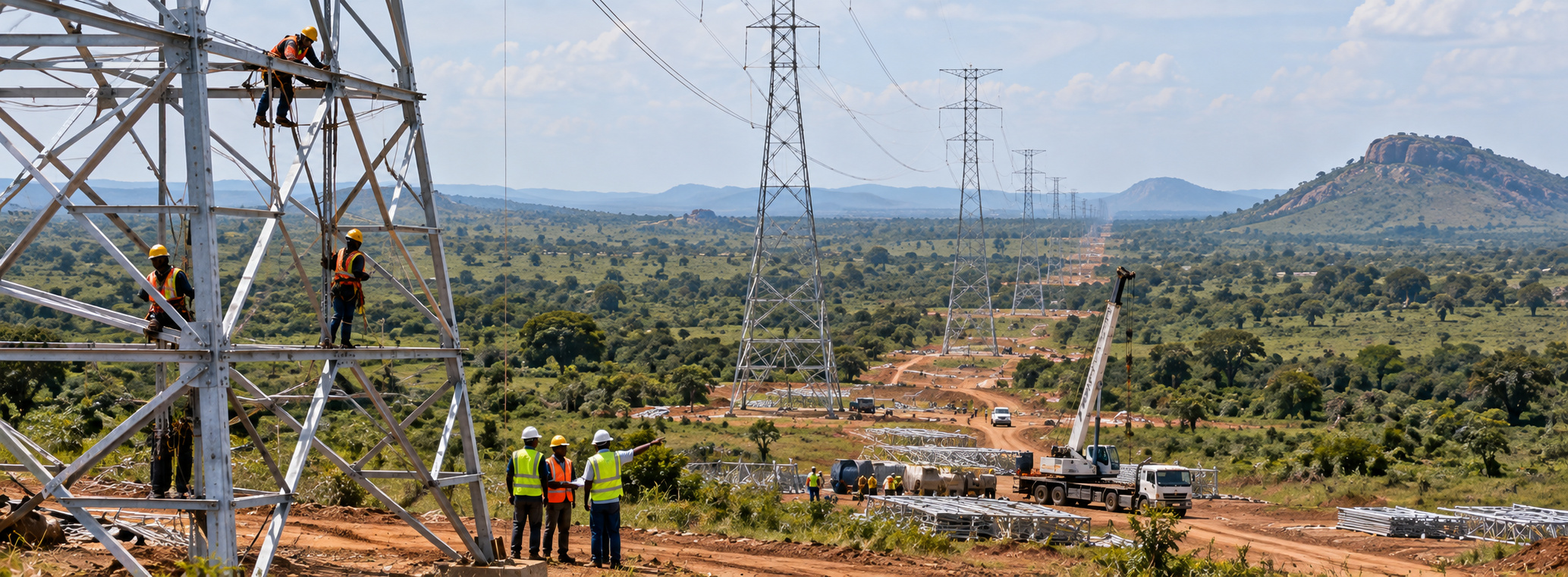
Uganda carries a $119 million loan to build a power line to South Sudan, whose civil servants are owed up to 13 months of salary. ETA examines who actually carries the risk if the buyer cannot pay.
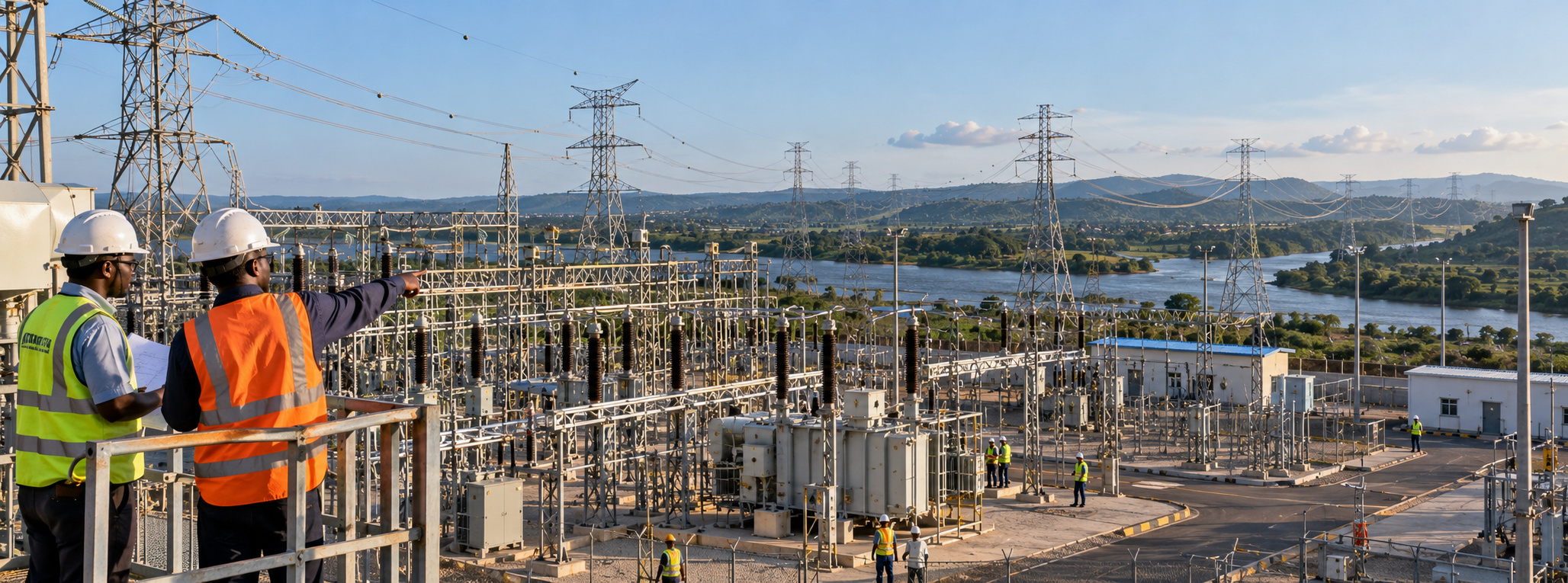
South Africa is unbundling Eskom. Nigeria has split regulation across 17 states. Both are also deepening regional power trade at the same time. ETA explains why these two reforms cannot both succeed on the same terms.
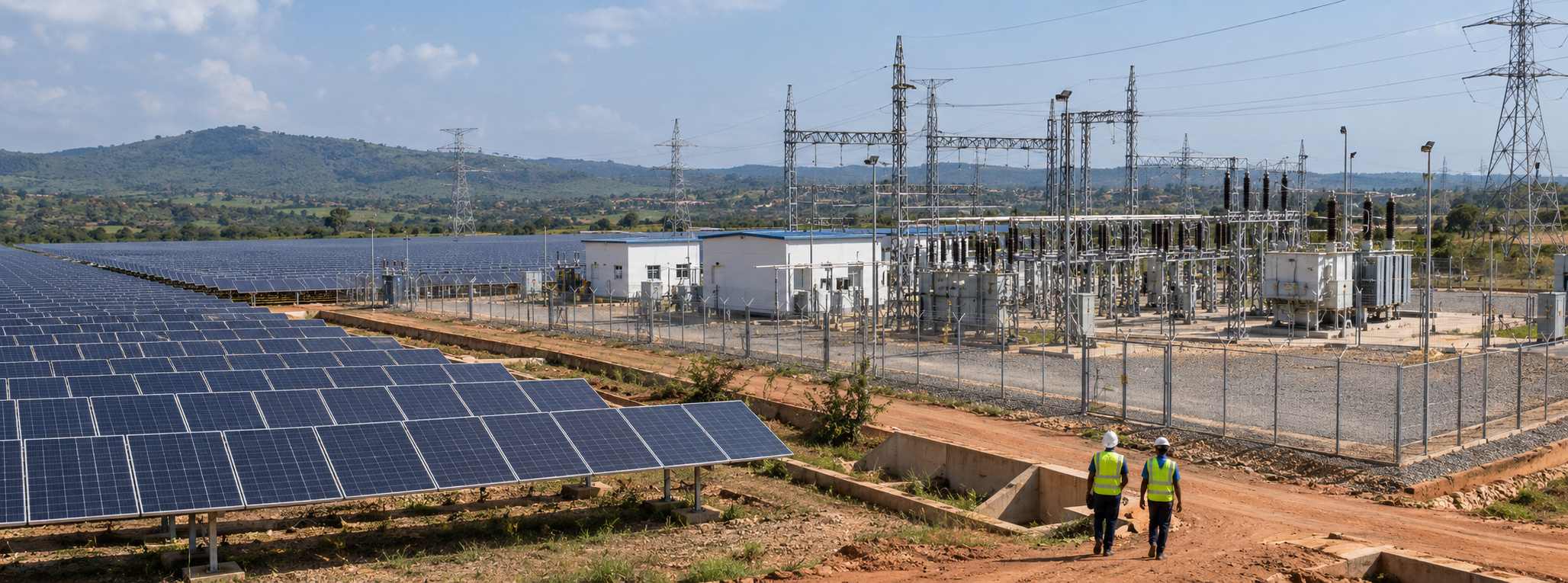
Ghana has authorised 12.7 MtCO2e in carbon credits under Article 6. ETA explains ITMOs, the July 2026 renewable electricity methodology, and whether the revenue can actually get an African power project to financial close.
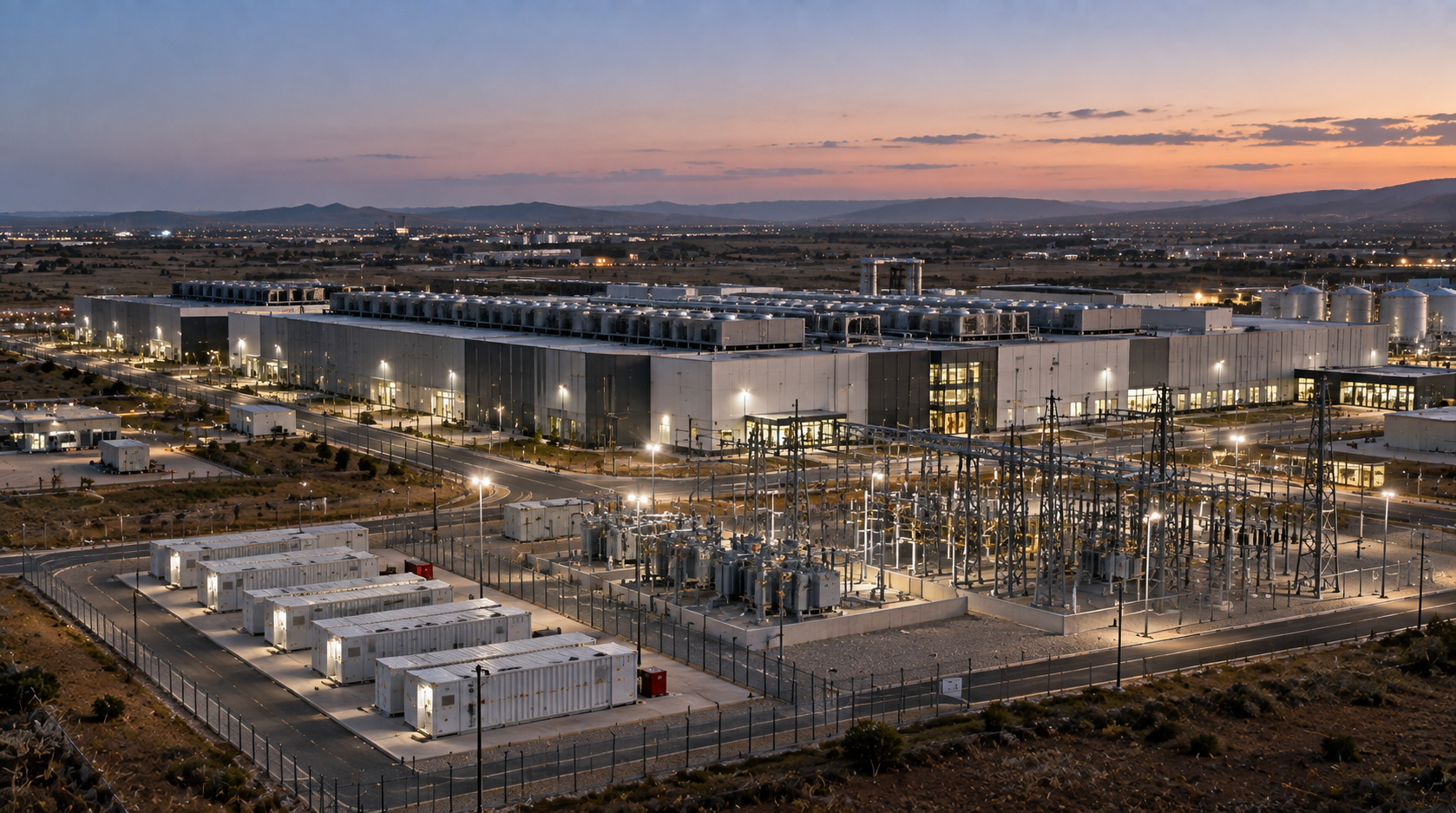
Africa is attracting major digital infrastructure investment. ETA examines the four emerging models for financing the generation, storage and grid capacity required to power it.
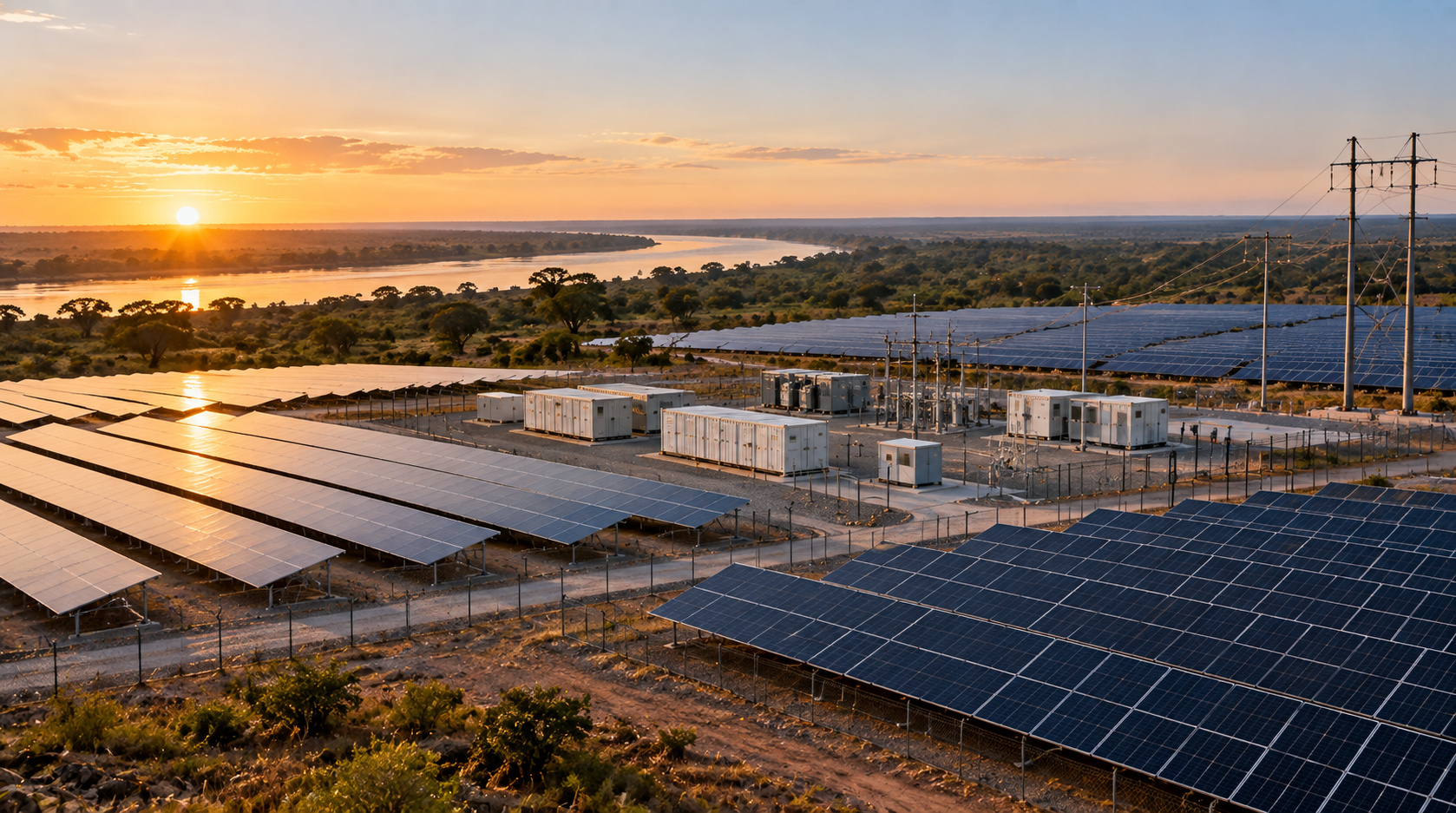
Less than 10% of African energy projects reach financial close. Zambia's Ilute Solar Project did, without a sovereign guarantee. ETA explains the eight-stage sequence through the deal that cleared it.
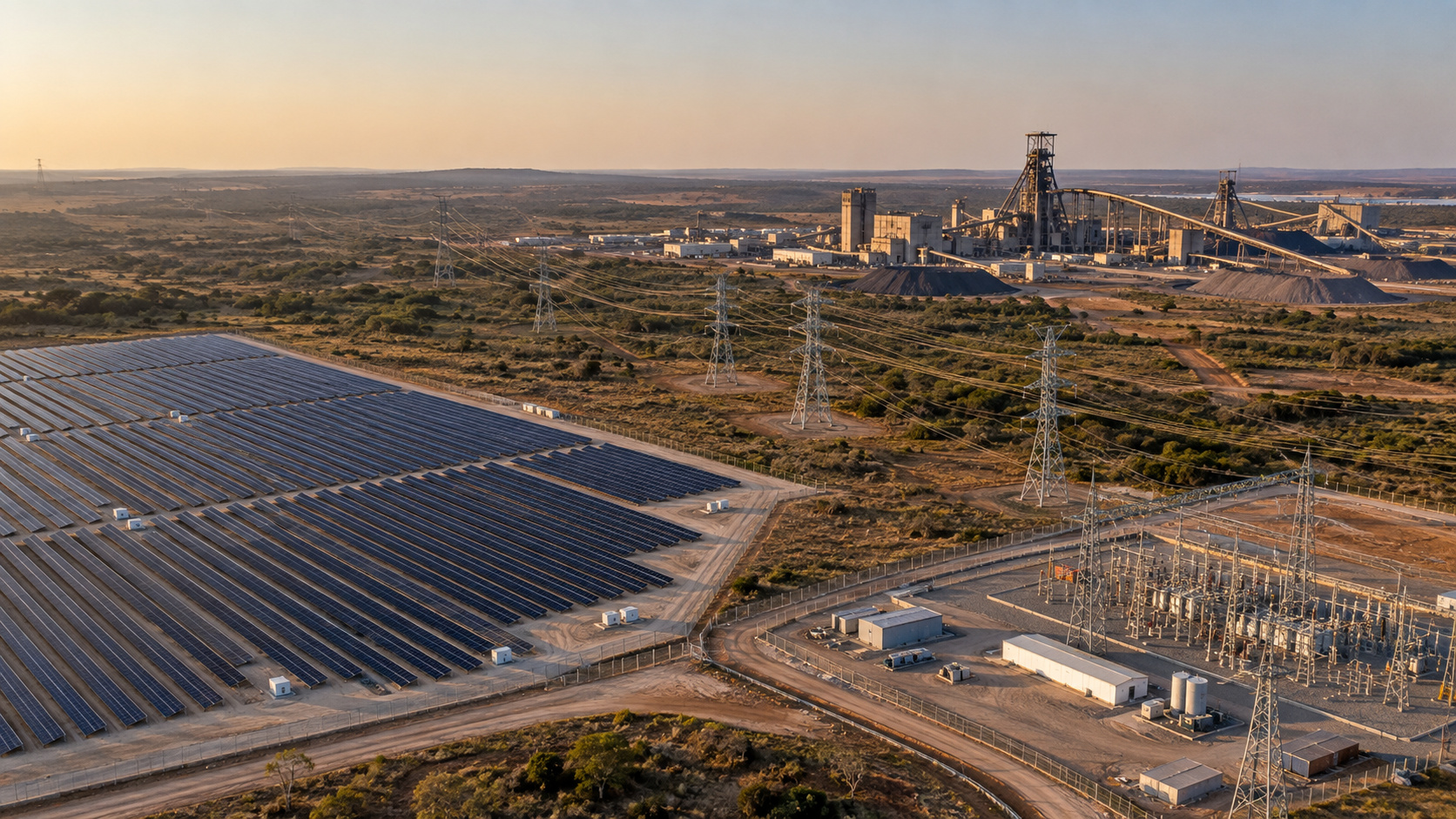
Zambia's open-access electricity reforms let copper mines contract private power directly, bypassing the state utility ZESCO. ETA examines what that means for the households left behind.
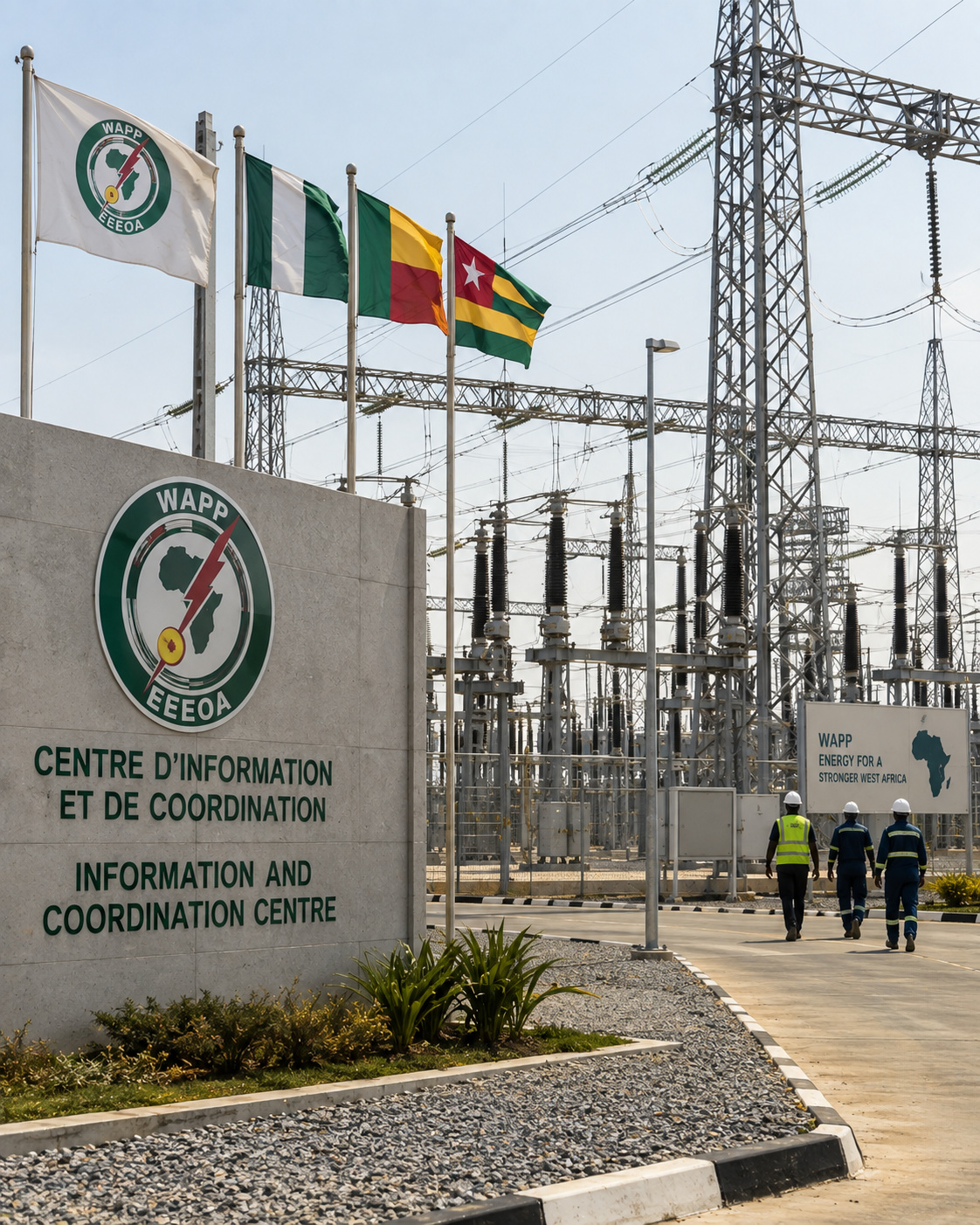
West Africa has formal rules requiring guarantees and sanctions for cross-border electricity non-payment. Benin, Togo and Niger keep defaulting anyway. ETA explains why the rules aren't enough.

Africa's data centres consume under 1 kWh per capita. The US consumes 540. Vincent Egoro does the arithmetic on what an African AI economy would actually require, and what it would cost to build the electricity underneath it.