Nigerian pension funds pledged N241 billion to infrastructure, but none has moved. ETA maps which stages of an African energy project pension funds can prudently hold.
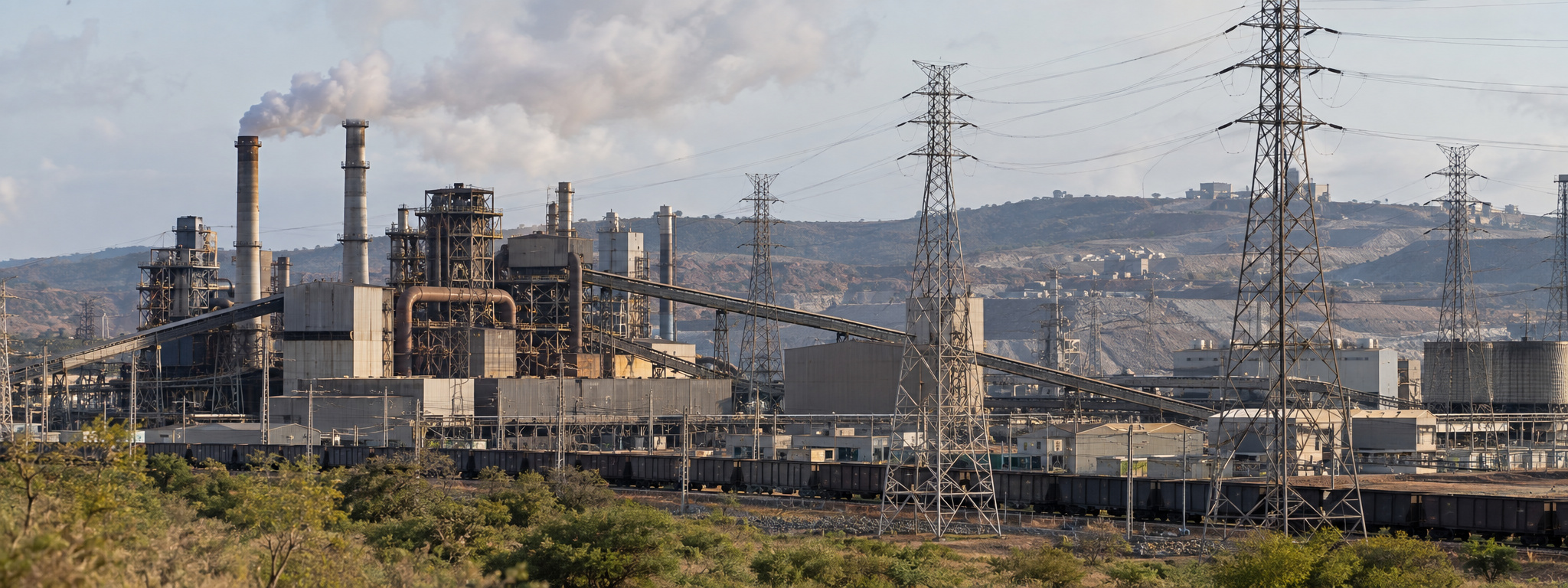
South Africa's draft electricity pricing policy commits to cheaper power for smelters and more support for poor households. Neither commitment says who pays as Eskom's grid sales keep falling. ETA examines the gap.
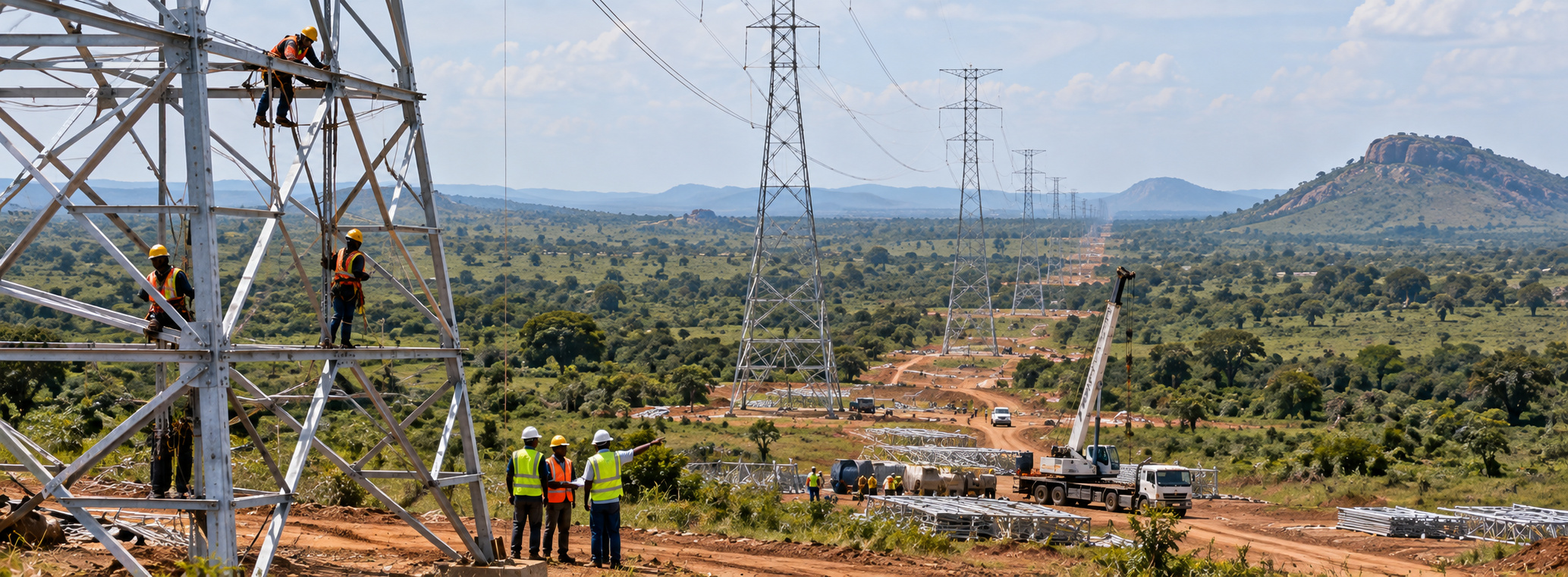
Uganda carries a $119 million loan to build a power line to South Sudan, whose civil servants are owed up to 13 months of salary. ETA examines who actually carries the risk if the buyer cannot pay.
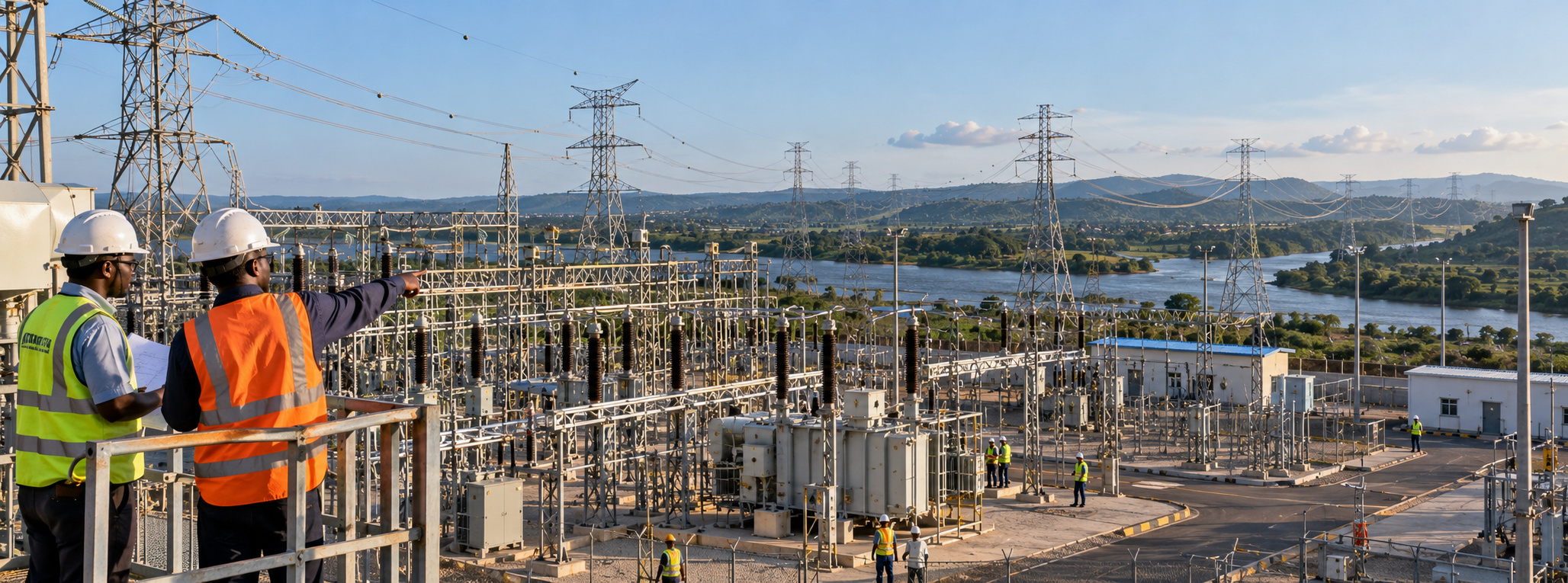
South Africa is unbundling Eskom. Nigeria has split regulation across 17 states. Both are also deepening regional power trade at the same time. ETA explains why these two reforms cannot both succeed on the same terms.
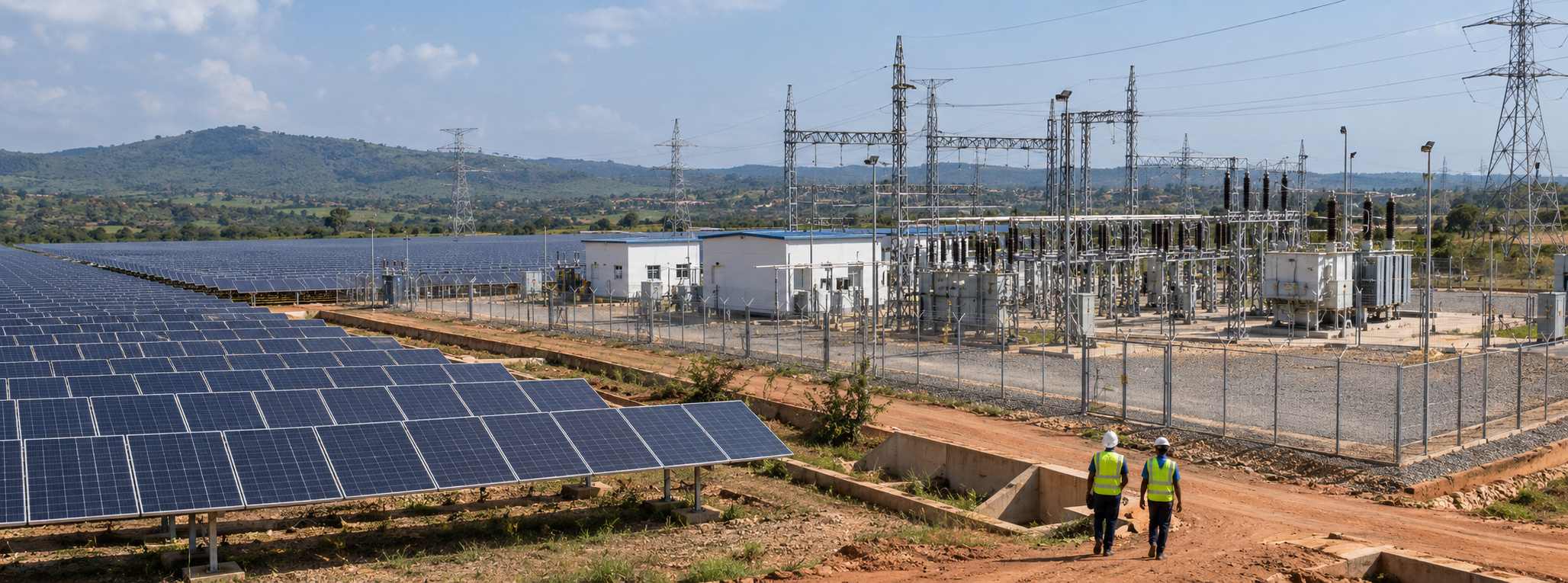
Ghana has authorised 12.7 MtCO2e in carbon credits under Article 6. ETA explains ITMOs, the July 2026 renewable electricity methodology, and whether the revenue can actually get an African power project to financial close.
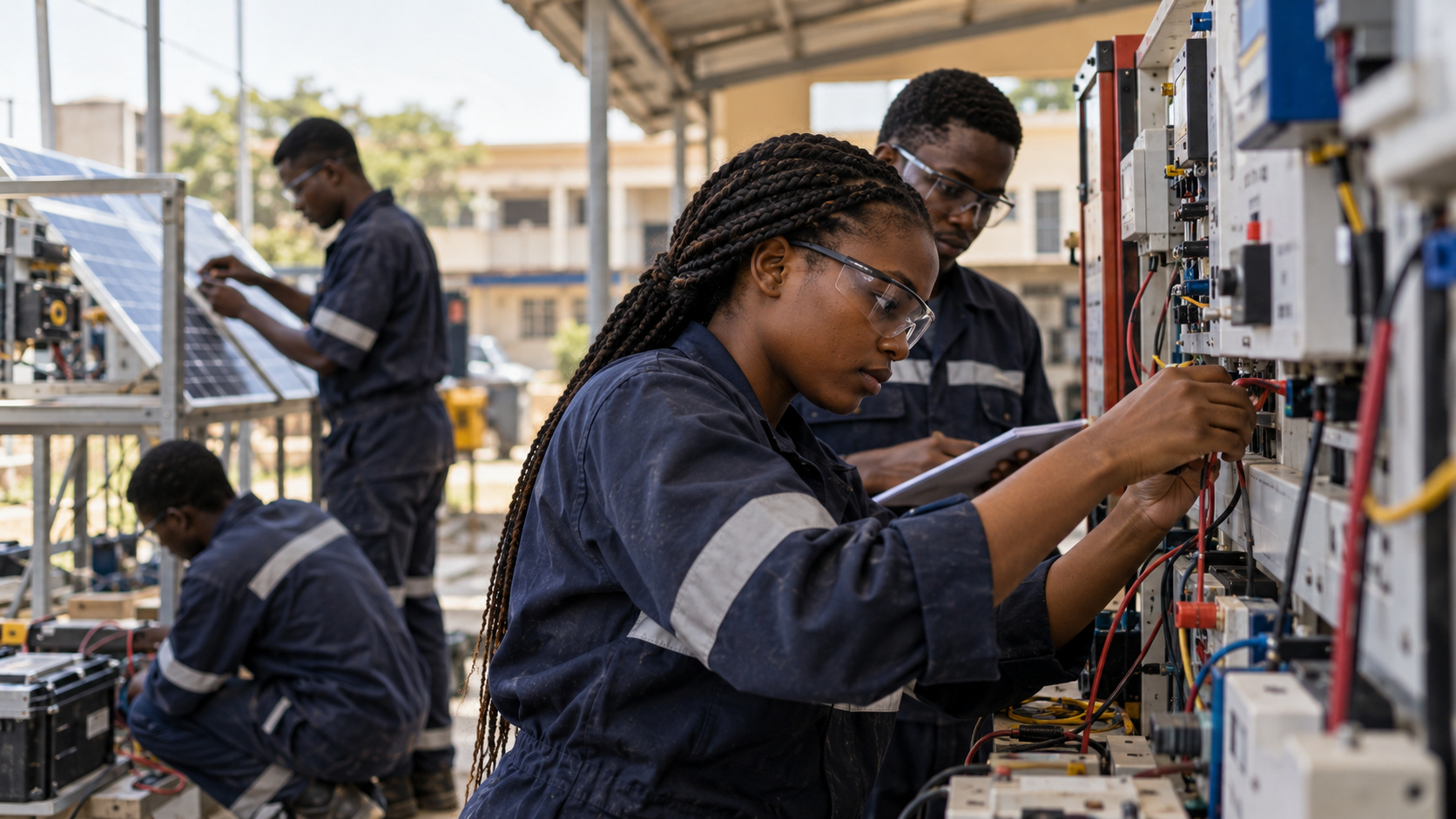
Canada, the UK, the EU and Australia are all naming the workforce their energy transitions will need before the infrastructure arrives. Vincent Egoro asks why Africa, with the world's deepest energy deficits, isn't yet having the same conversation.

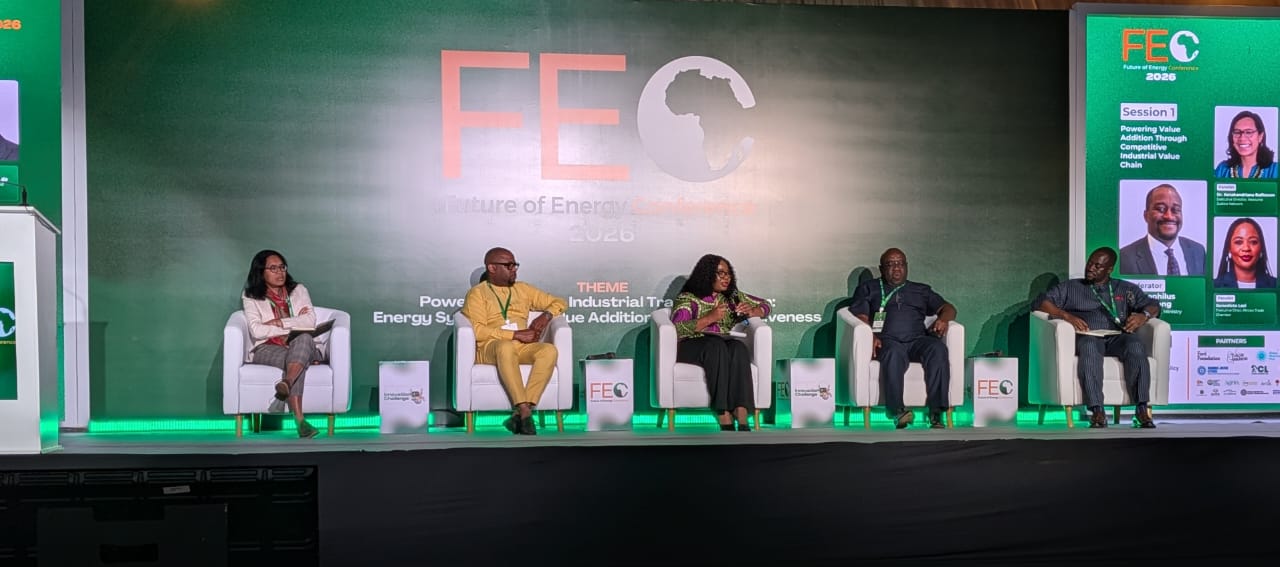
Most African energy finance is concentrated in a few markets. ACEP's FEC 2026 in Accra exposed how regulation, currency risk and power pricing decide where capital goes.
Read Full Story→