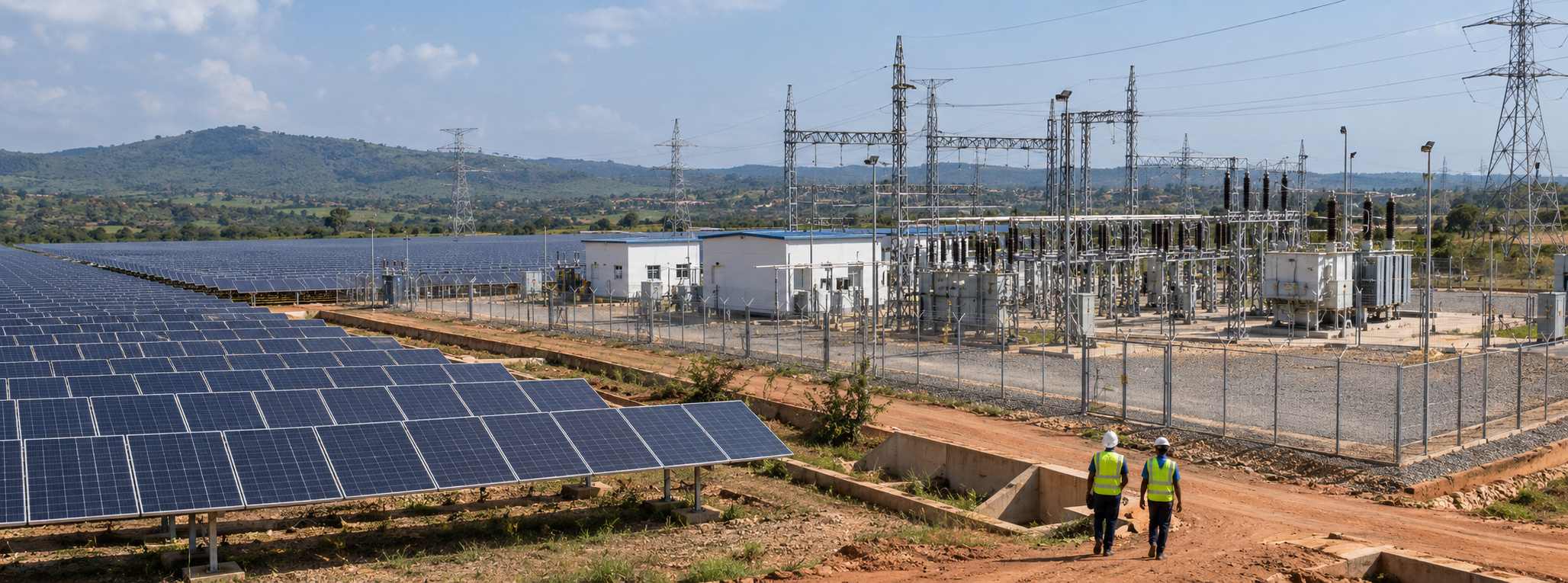
Africa's Grids Are Holding Back 1,600 GW of Stalled Energy Projects. The Tools Already Exist.
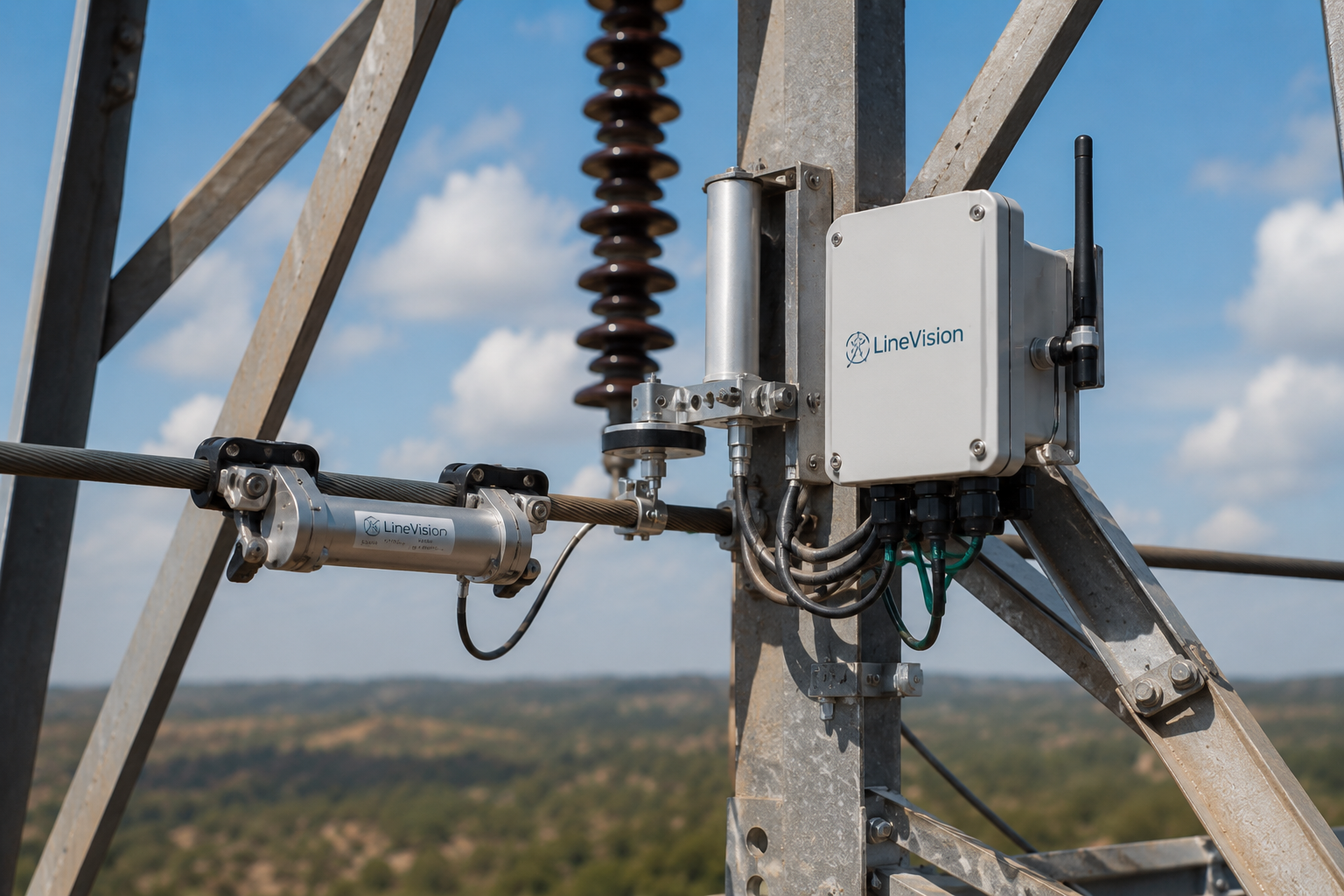
The IEA says existing tools could unlock 1,600 GW of stalled projects. Africa is not using them. ETA explains the regulatory gap that is the real barrier.

ETA Explains breaks down complex energy, climate, and extractive industries issues into clear, accessible insights. From just transition concepts and carbon markets to critical minerals and energy finance, this section demystifies technical debates shaping Africa’s energy future. Built for clarity and context, ETA Explains helps policymakers, journalists, advocates, and citizens understand the issues — without losing nuance or depth.
58 articles found

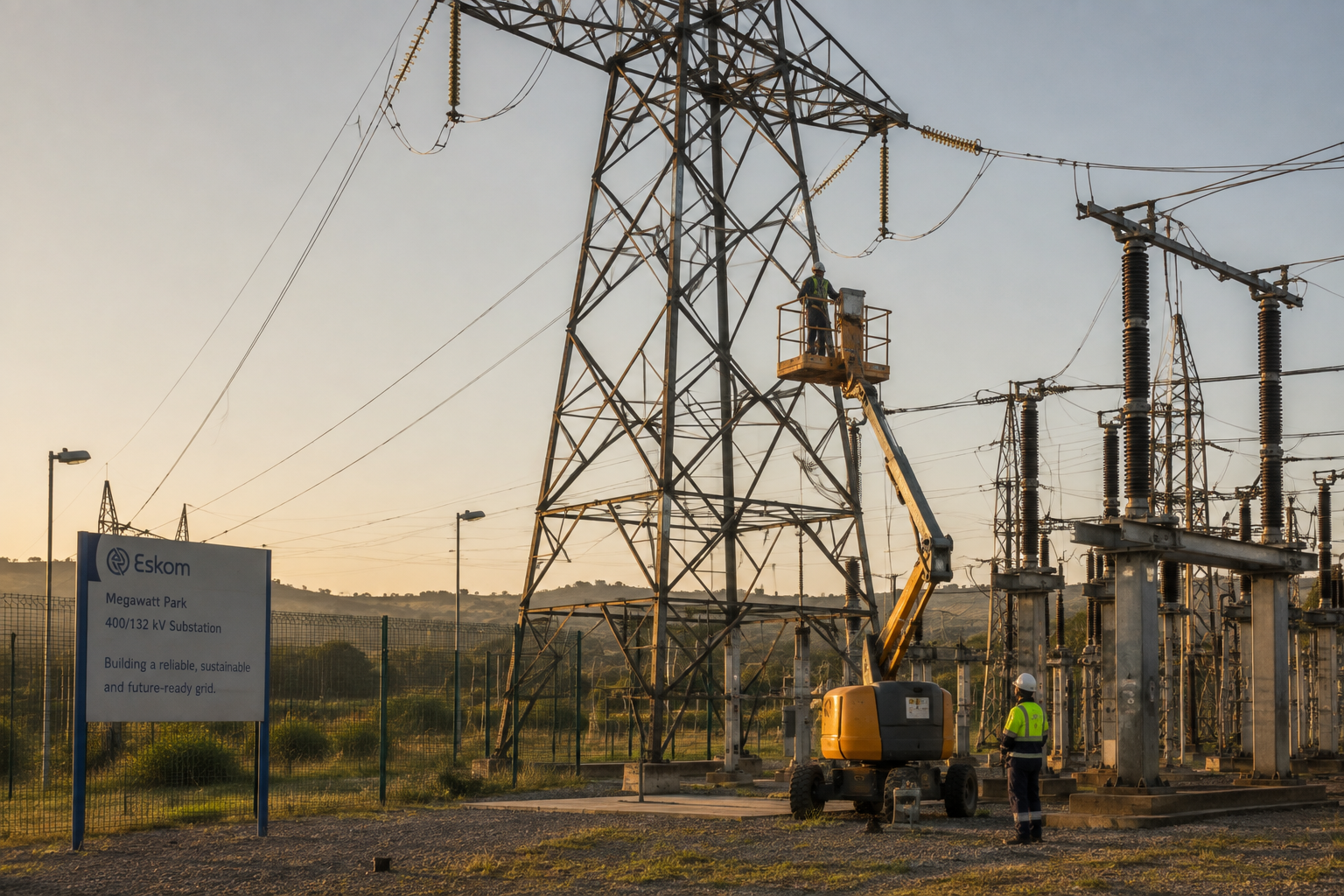
The IEA says existing tools could unlock 1,600 GW of stalled projects. Africa is not using them. ETA explains the regulatory gap that is the real barrier.

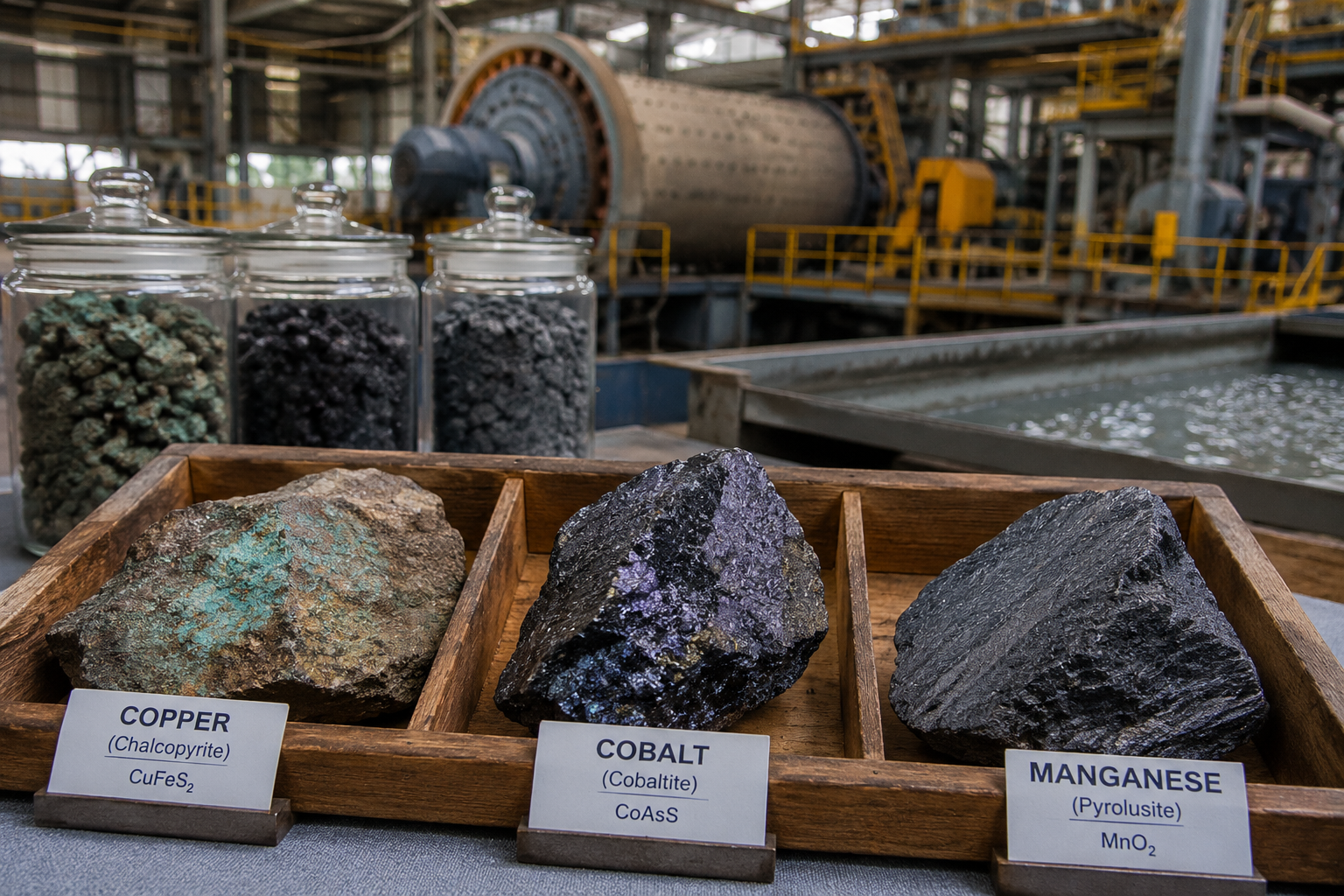
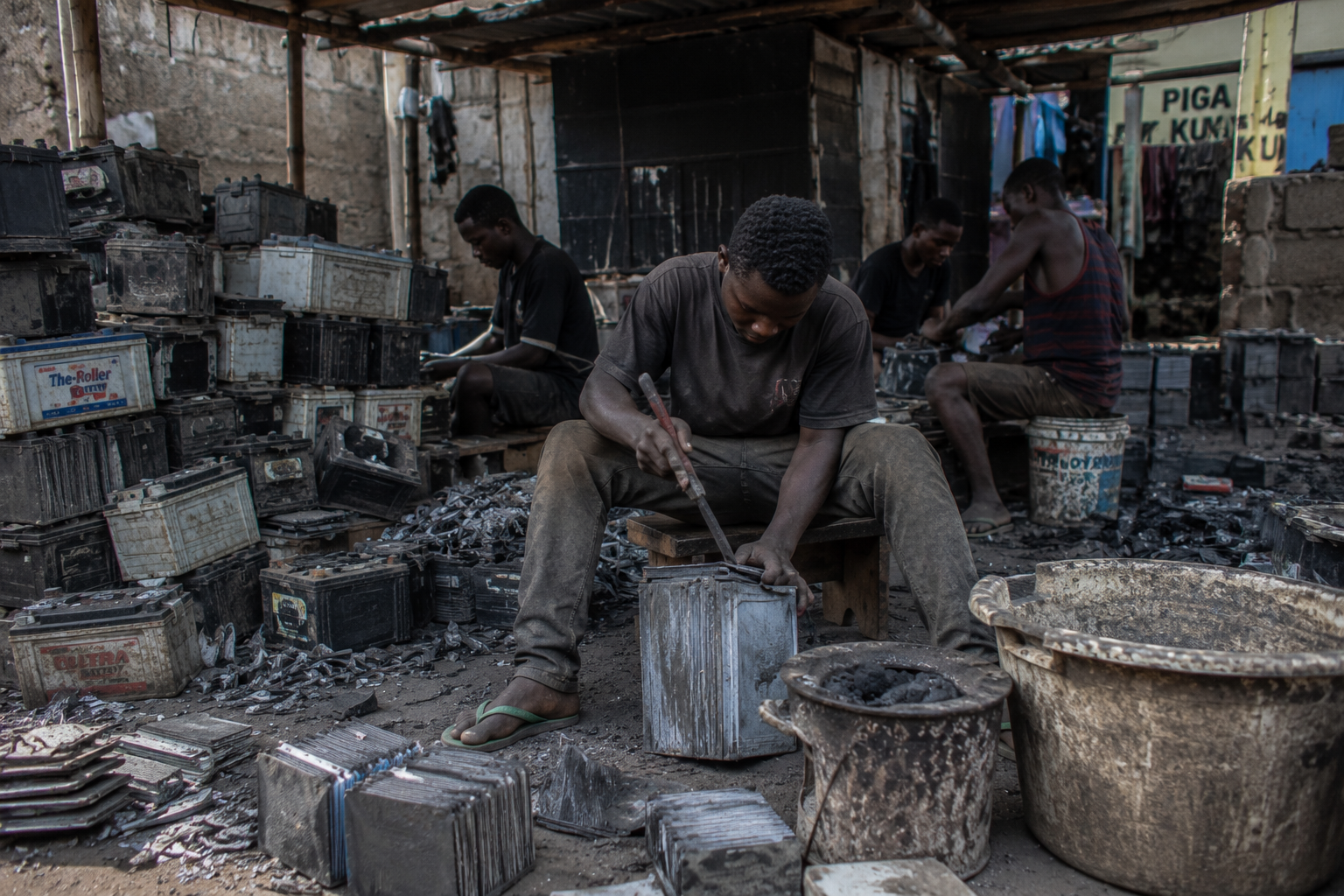
Africa holds 92% of global platinum reserves, 56% of cobalt, and $29.5 trillion in total mineral wealth. It captures a fraction of the downstream value. ETA Explains the four-stage value chain mechanism behind that gap.

Zimbabwe banned raw lithium exports in 2022, and by 2026 China’s Huayou Cobalt had opened Africa’s first lithium sulphate plant at Arcadia. ETA Explains why local processing does not automatically mean local value capture.

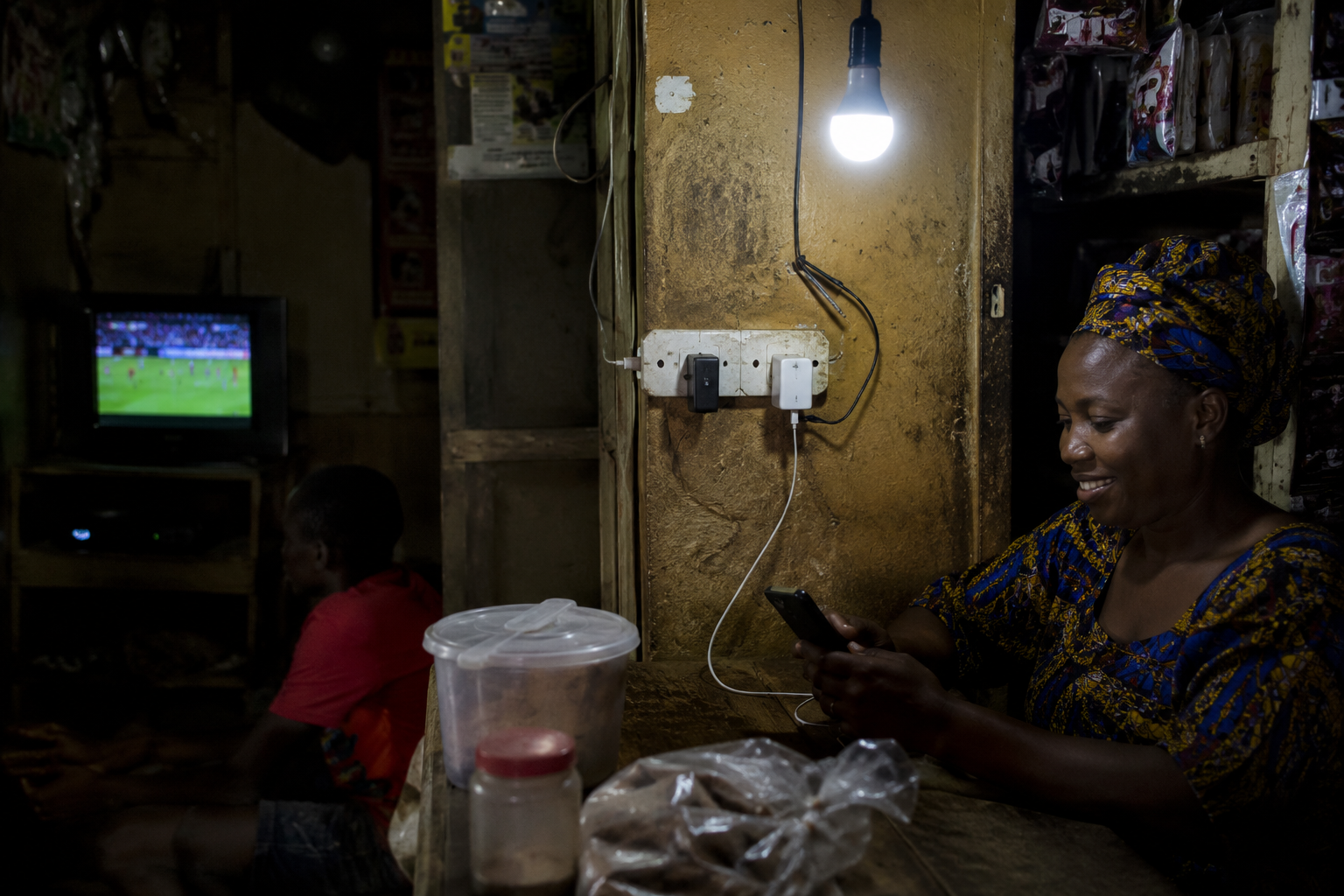
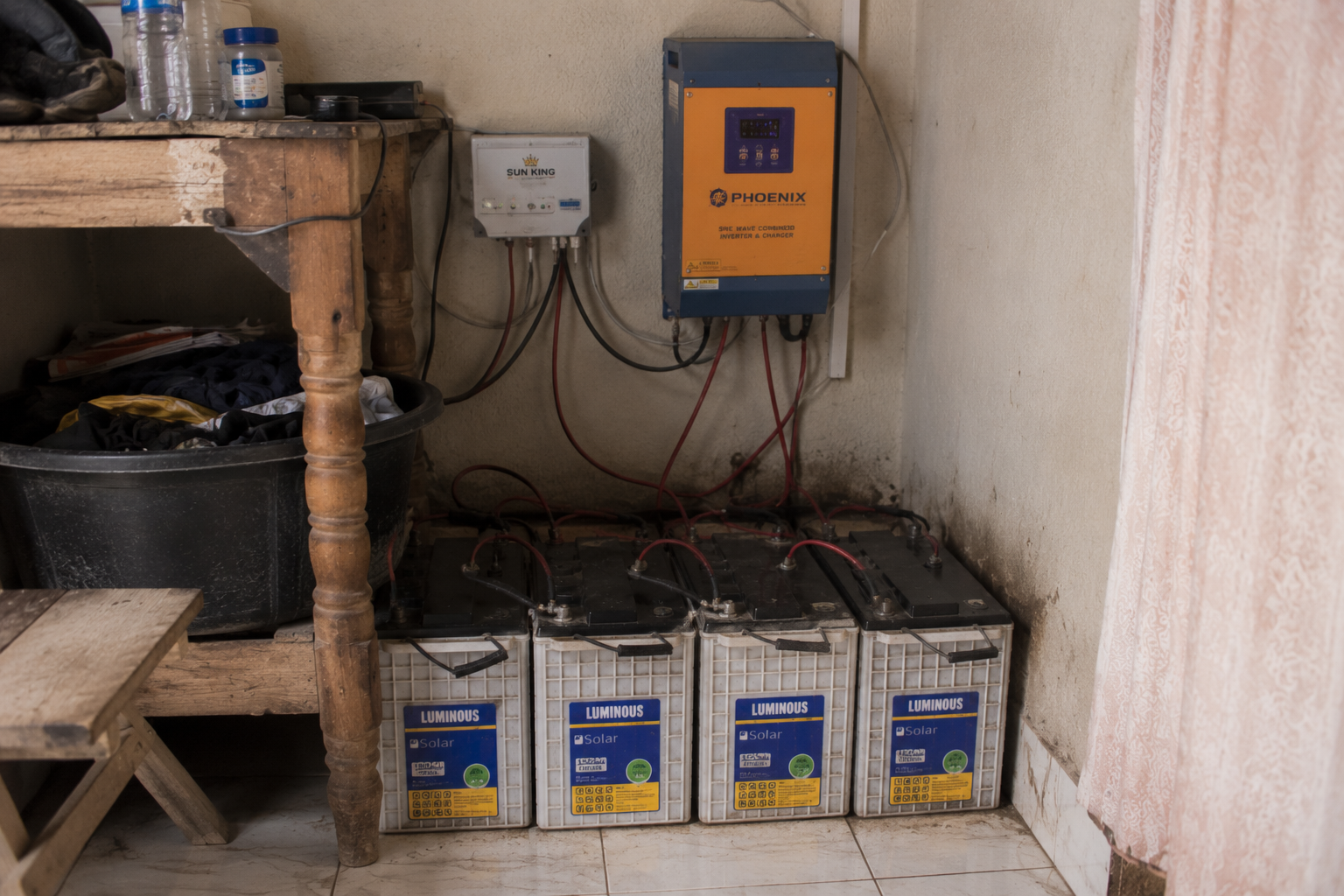
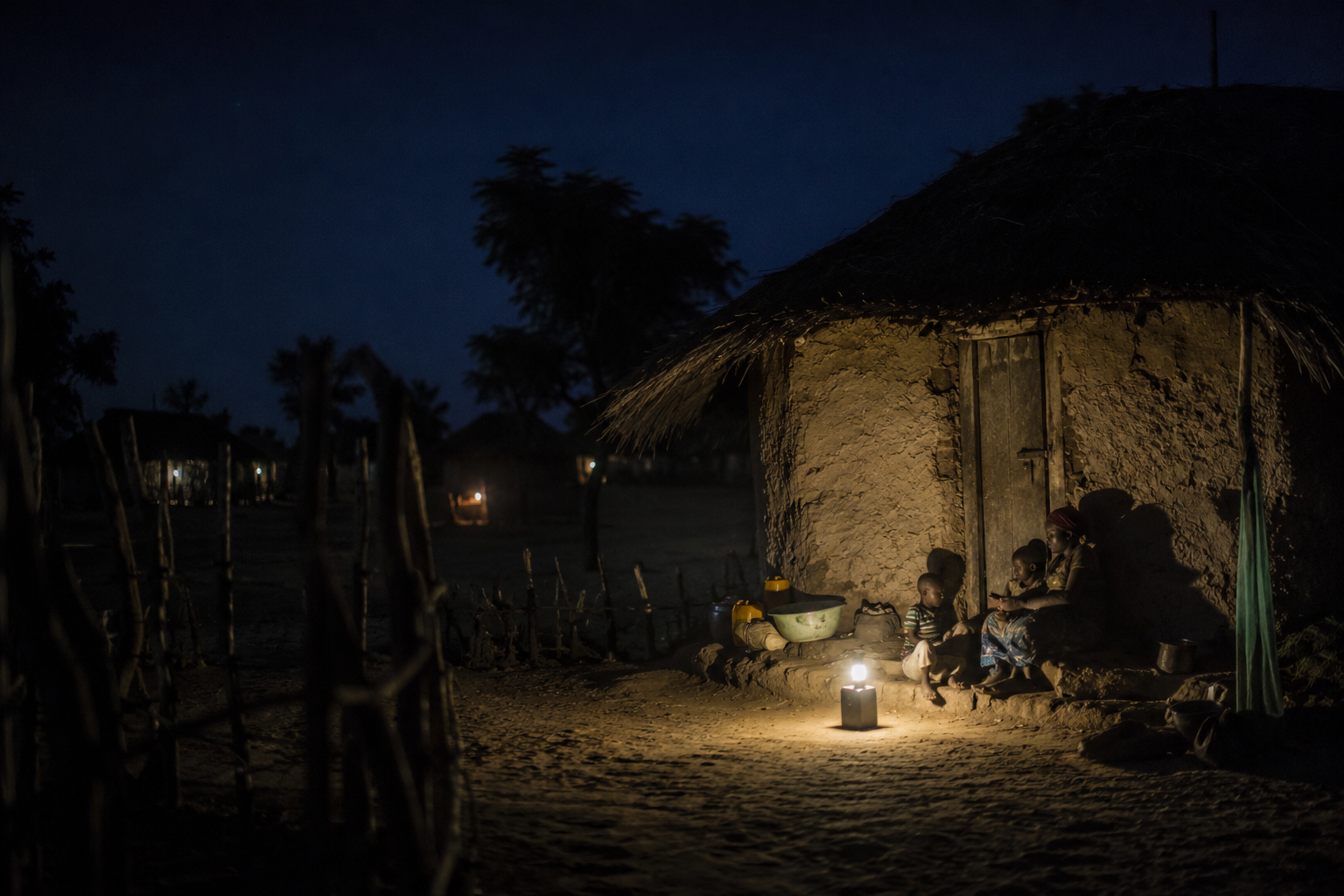
IRENA data shows 86 million Africans connected to off-grid solar, yet almost all receive too little electricity to power productive economic activity. ETA Explains why access has expanded faster than usable power.

Ethiopia banned petrol vehicle imports in January 2024. Two years later it has 115,000 EVs — the fastest-growing EV market in Africa. ETA Explains what the policy actually was, why Ethiopia's electricity system made it viable, what the data shows, and what other African governments can learn from it

One billion Africans cook on open fires, and 815,000 die from the smoke each year. The fix is cheap, but the energy transition still ignores it.

Forty-six countries meet in Santa Marta this month to build a fossil fuel phase-out coalition. Angola attends. Nigeria does not. Vincent Egoro examines what Africa's absence means for the transition it cannot avoid.

Africa's solar boom was built partly on a Chinese VAT export rebate that transferred Beijing's fiscal resources to overseas buyers. From 1 April 2026, that rebate is gone. ETA Explains what it was, who it benefited, and what Africa's project economics look like without it.

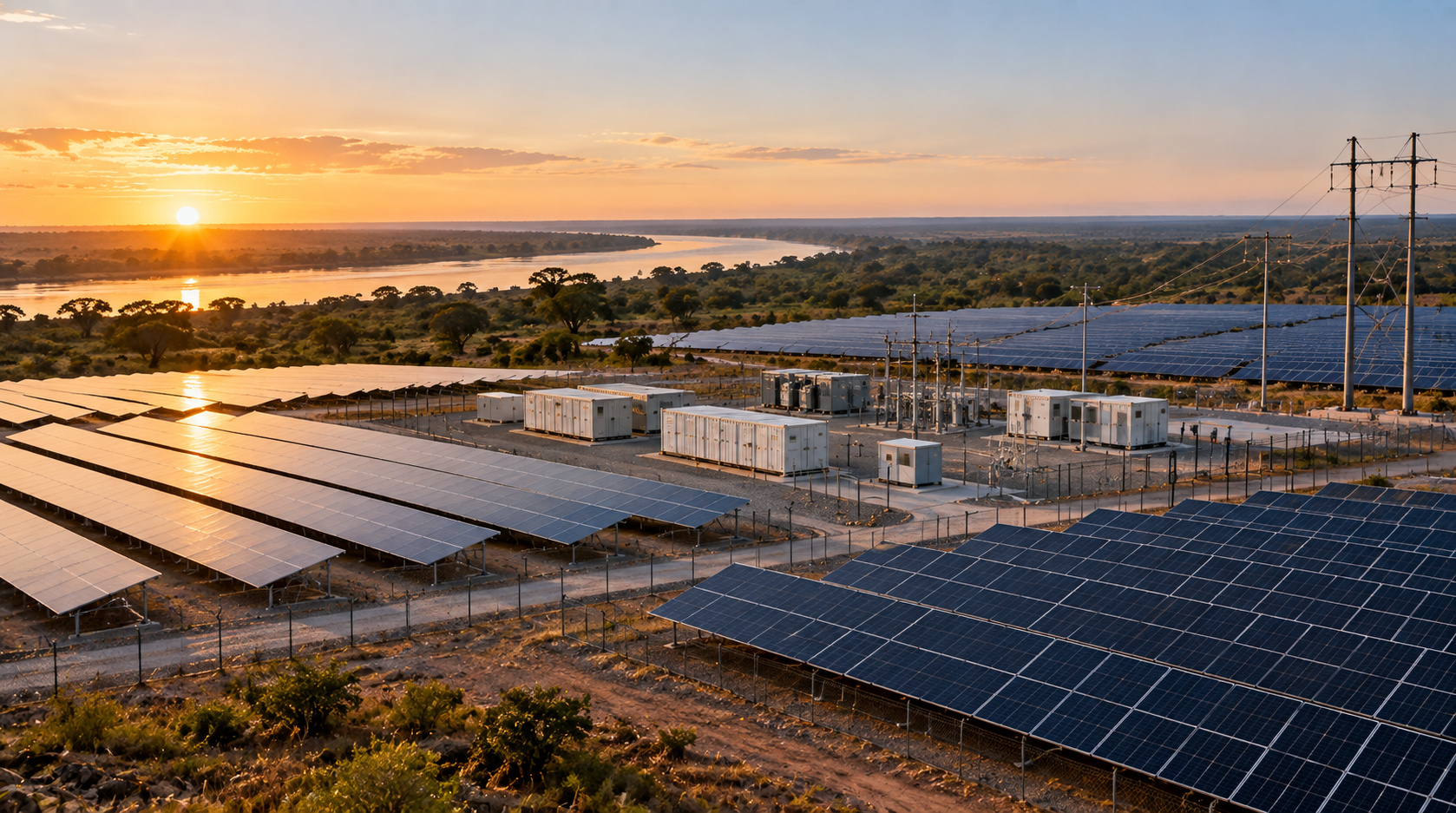
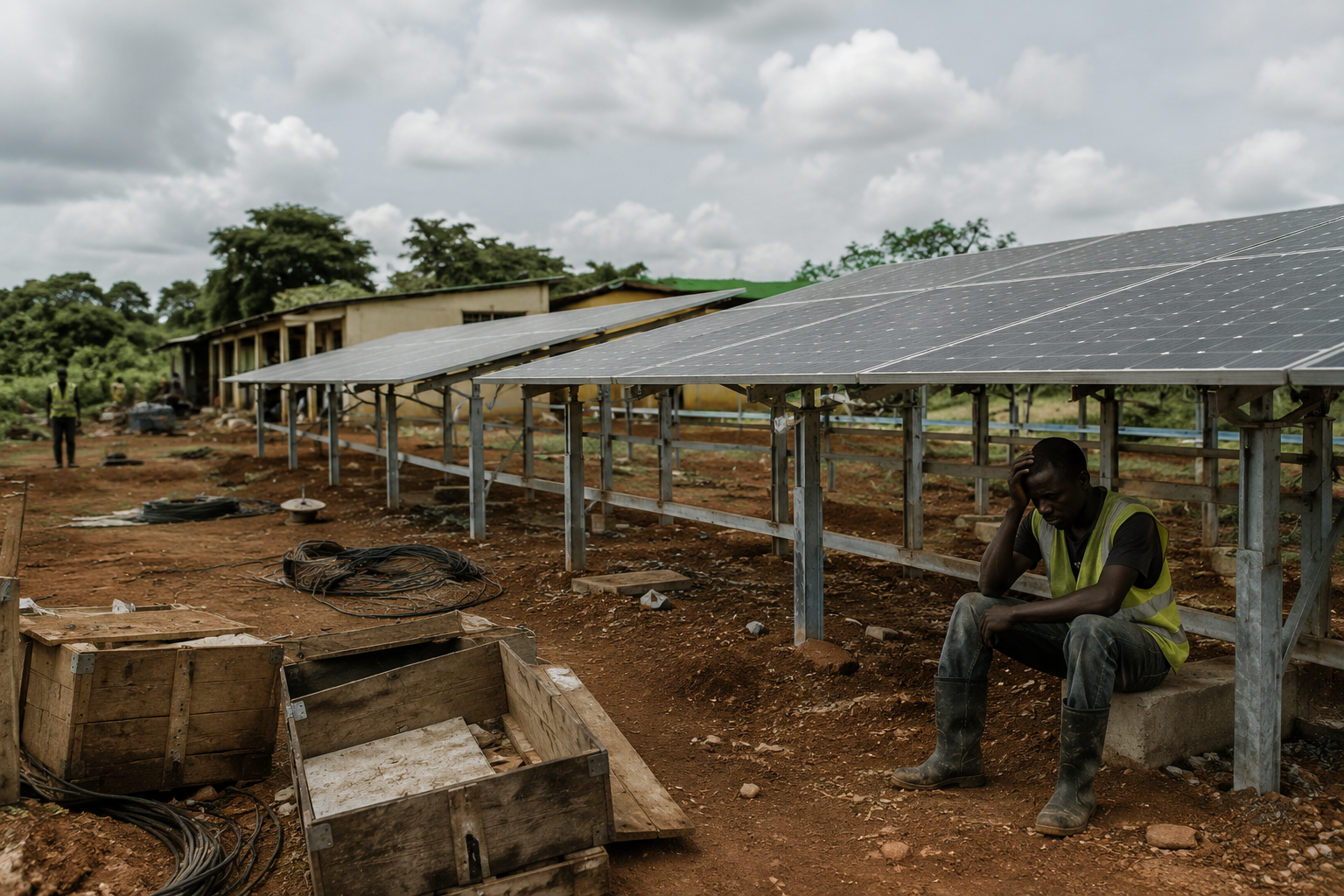
Solar energy is expanding rapidly in Africa, but can it power industry? This explainer examines the limits of solar and why systems matter.

Africa’s power sector often celebrates rising installed capacity. But that number can hide outages, grid losses and unreliable electricity. Here is what it really means.

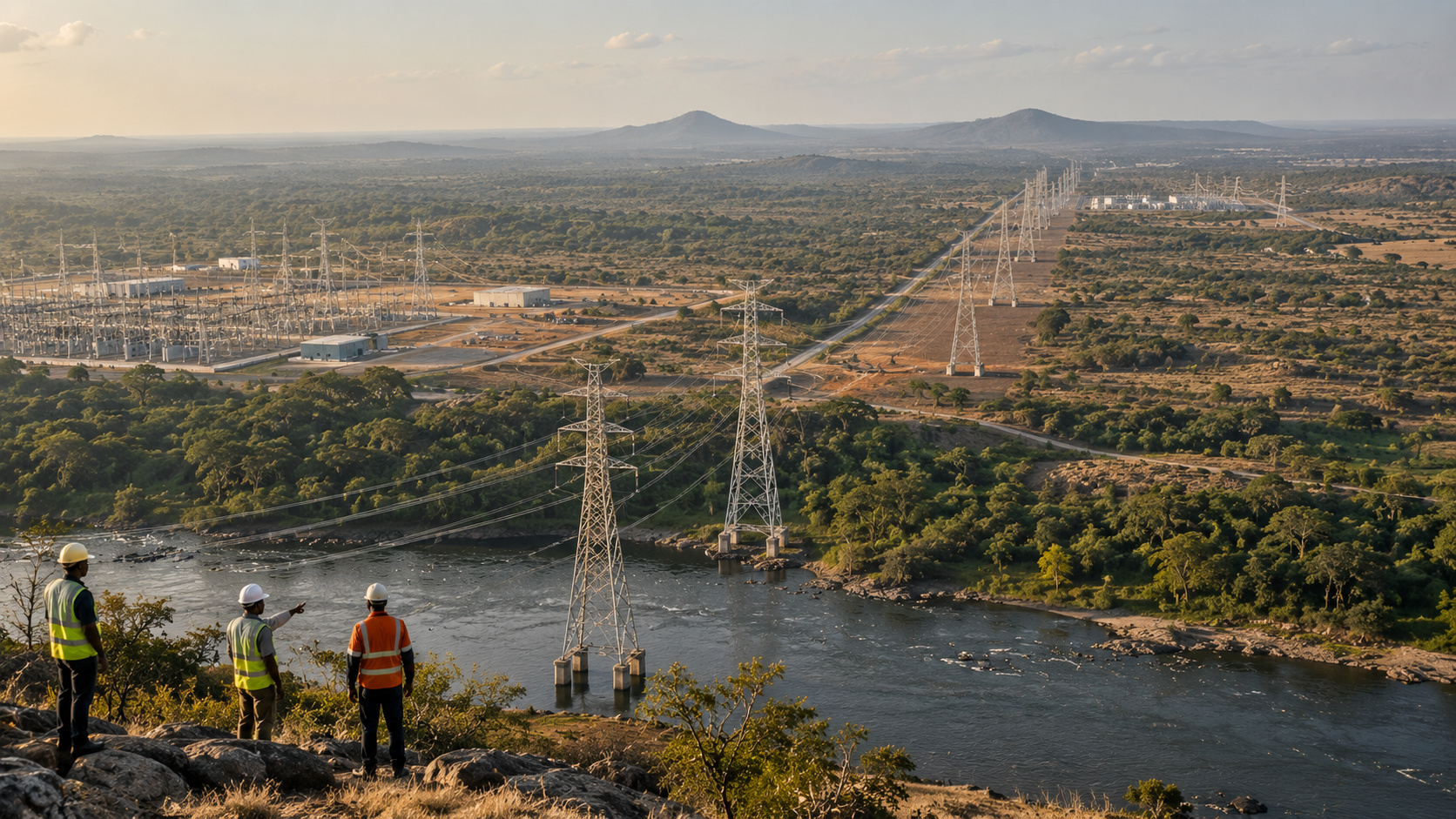
Africa faces a $100–120 billion grid gap, and it is holding back industry and the energy transition. The real problem is not generation, it is transmission.

Are mini-grids and national grids in Africa complementary or competing models? This explainer unpacks the trade-offs for access, investment and growth.