Congo's Miners Could Save $1 Billion on Electricity. What Is Preventing It?
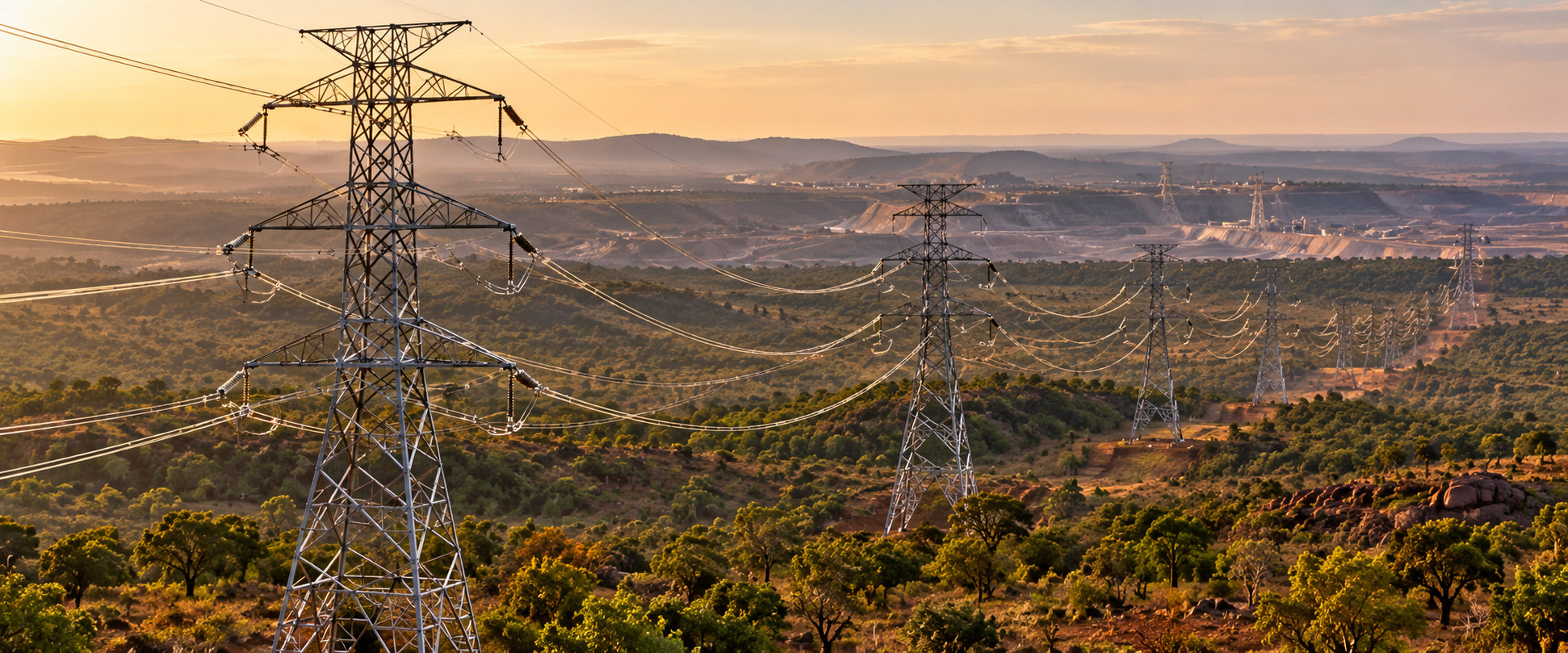
A $300m line from Zambia could cut Copperbelt diesel bills by $1bn a year. ETA finds the savings depend on firm night-time power the line cannot supply.


A $300m line from Zambia could cut Copperbelt diesel bills by $1bn a year. ETA finds the savings depend on firm night-time power the line cannot supply.

South Africa's draft electricity pricing policy commits to cheaper power for smelters and more support for poor households. Neither commitment says who pays as Eskom's grid sales keep falling. ETA examines the gap.

Uganda carries a $119 million loan to build a power line to South Sudan, whose civil servants are owed up to 13 months of salary. ETA examines who actually carries the risk if the buyer cannot pay.

South Africa is unbundling Eskom. Nigeria has split regulation across 17 states. Both are also deepening regional power trade at the same time. ETA explains why these two reforms cannot both succeed on the same terms.

Zambia's open-access electricity reforms let copper mines contract private power directly, bypassing the state utility ZESCO. ETA examines what that means for the households left behind.

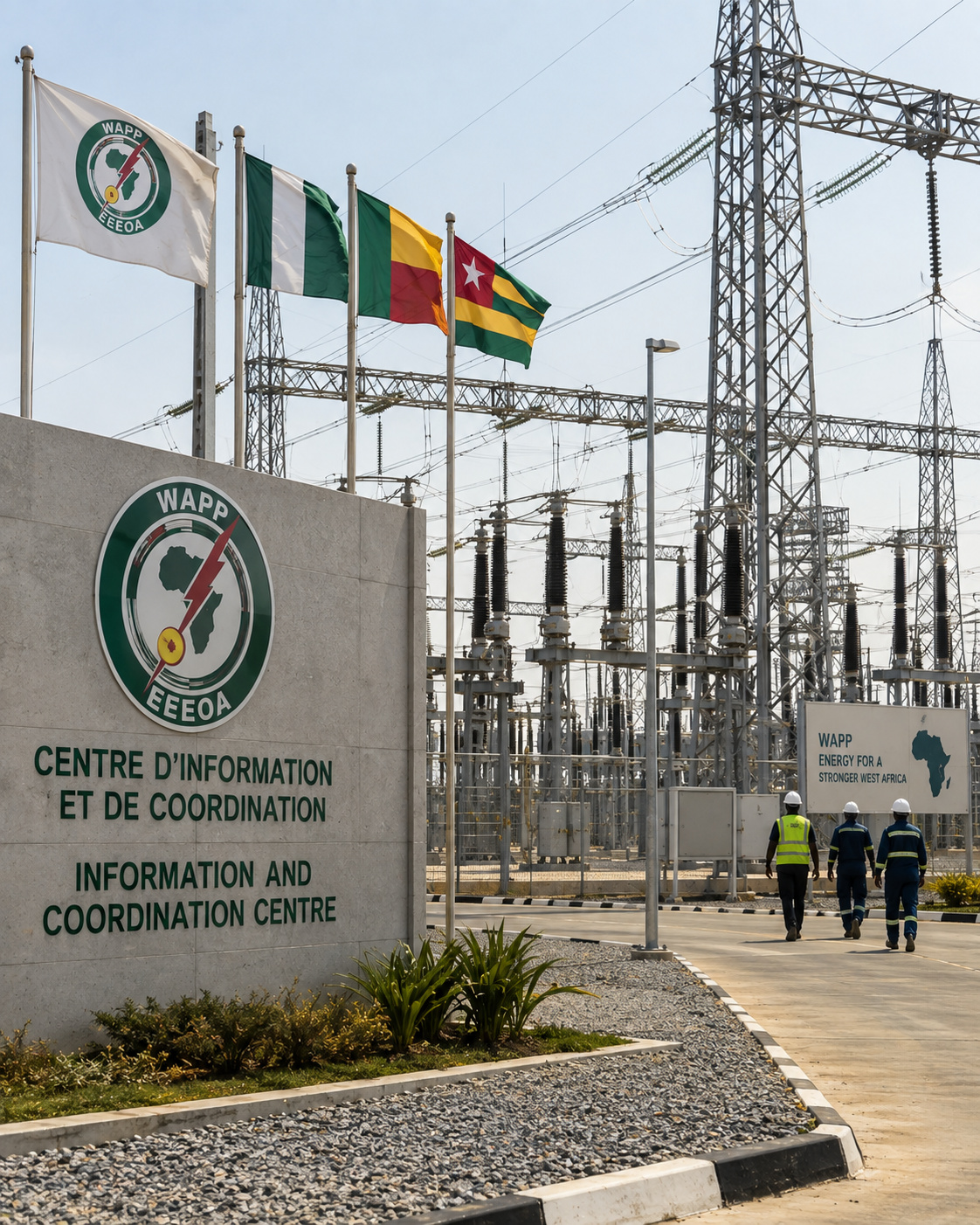
West Africa has formal rules requiring guarantees and sanctions for cross-border electricity non-payment. Benin, Togo and Niger keep defaulting anyway. ETA explains why the rules aren't enough.