The Iran War Is Triggering an Energy Shock and Africa Must Respond Differently
Geopolitical conflicts rarely remain confined to the battlefield when they occur in the world’s most important energy-producing region. The escalating conflict involving Iran has once again demonstrated how quickly geopolitical tensions can ripple through global energy markets.
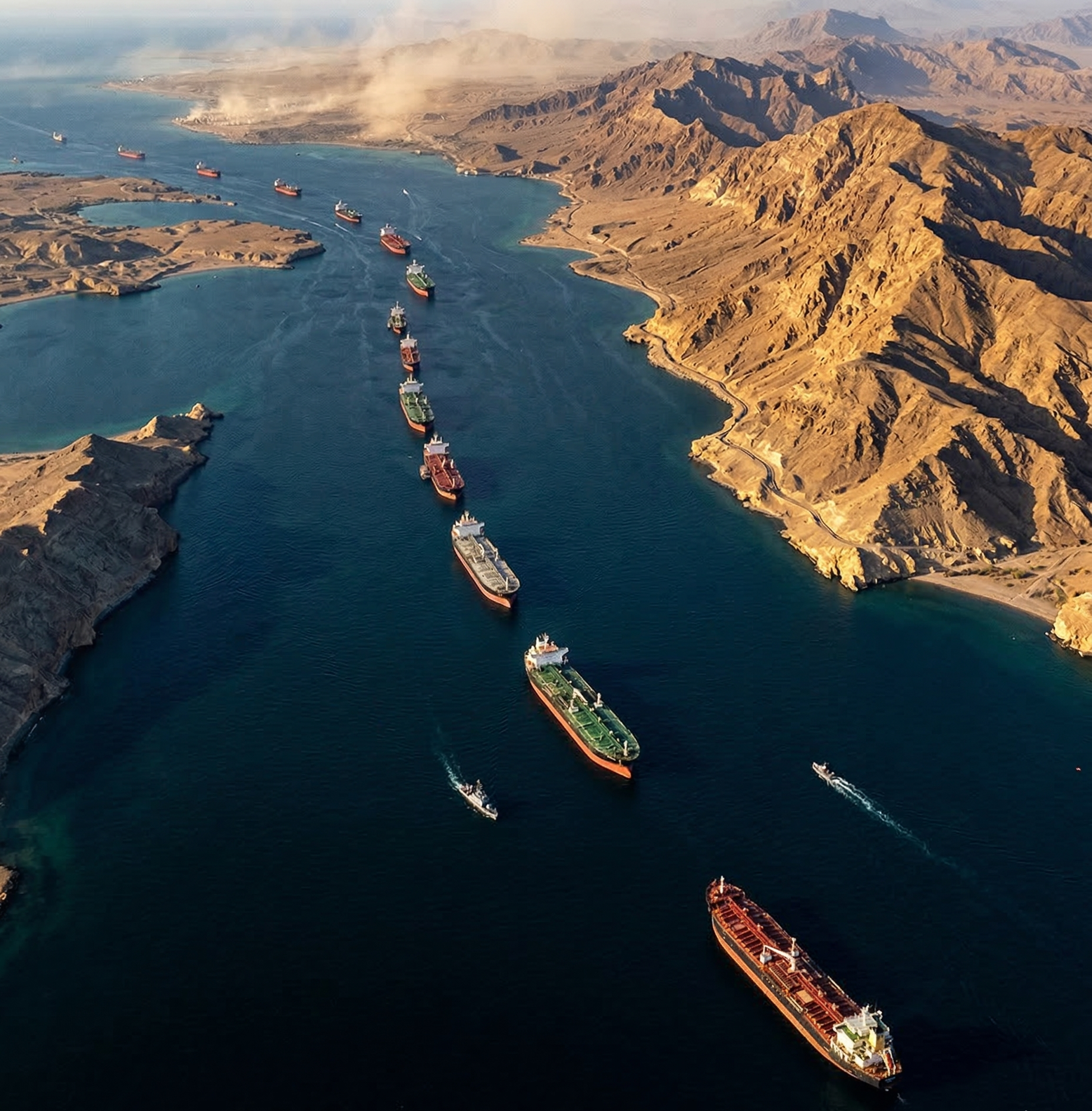
Iran sits at the centre of one of the most strategically sensitive regions in the global energy system. The Middle East accounts for a significant share of global oil production, and much of that supply moves through the narrow Strait of Hormuz, a maritime chokepoint connecting the Persian Gulf to global markets.
Each day, roughly one-fifth of the world’s oil supply passes through this corridor, making it one of the most critical arteries in the global energy system. When conflict threatens this route, markets react immediately. Oil prices surge, shipping risks rise, and traders begin to price in potential supply disruptions.
That pattern is now playing out once again. The escalation of hostilities involving Iran has already triggered volatility in global oil markets, a reminder of how deeply the world economy still depends on a small number of vulnerable supply routes.
For energy-importing economies, this volatility translates directly into higher fuel costs, rising inflation and fiscal pressure. For energy producers, it creates temporary windfalls but also introduces uncertainty that can disrupt long-term investment planning.
But beyond immediate market movements, the Iran conflict exposes something deeper about the global energy system. It reveals how fragile the foundations of the fossil fuel economy remain.
The vulnerability of global fossil fuel supply chains
The modern fossil fuel system is often described as a highly sophisticated global network capable of delivering energy to every corner of the world. Tankers move crude oil across oceans, pipelines transport natural gas across continents, and refineries convert raw hydrocarbons into the fuels that power modern economies.
Yet beneath this complexity lies a surprisingly fragile structure. Much of the world’s oil and gas supply remains concentrated in a handful of geographic regions and transportation corridors. The Strait of Hormuz is one example, but it isn't the only one. The Suez Canal, the Bab el-Mandeb Strait and key pipeline networks across Eurasia also function as strategic chokepoints within the global energy system.
When political instability disrupts any of these routes, the consequences ripple far beyond the immediate region. The Russia–Ukraine war in 2022 demonstrated how geopolitical conflict can reshape global energy flows almost overnight. European countries scrambled to replace Russian gas supplies, while global LNG markets experienced unprecedented volatility.
The Iran conflict reinforces the same lesson. Fossil fuel supply chains are deeply embedded within geopolitical realities. They depend not only on engineering and infrastructure but also on political stability across multiple regions.
This vulnerability is one reason many analysts argue that renewable energy offers a more resilient long-term energy architecture. Solar panels and wind turbines generate electricity where they are installed, and don't rely on international shipping routes or politically sensitive supply corridors.
But while renewable energy offers potential resilience, the transition away from fossil fuels remains far from complete. And when crises occur, governments still turn first to the fuels that dominate the current energy system.
Why energy security often overrides climate ambition
The Iran conflict also reveals a recurring tension in global energy policy: the gap between climate ambition and energy security.
Over the past decade, world leaders have pledged to accelerate the transition away from fossil fuels to address climate change. International climate negotiations frequently emphasise the need to reduce consumption of oil, gas, and coal over the coming decades.
Yet geopolitical crises often reshape these priorities. When energy supplies are threatened, governments move quickly to secure alternative fossil fuel sources, release strategic oil reserves, revise production targets, and negotiate new supply contracts.
In such moments, energy security takes precedence over decarbonisation timelines. This dynamic was clearly visible after the Russian invasion of Ukraine. European countries, which had committed to ambitious climate goals, suddenly faced the urgent task of replacing Russian gas supplies.
In response, governments expanded LNG imports, reopened coal plants and accelerated investments in alternative fossil fuel infrastructure. The Iran conflict may trigger similar responses.
Rising oil prices and supply uncertainty create political pressure on governments to stabilise energy markets quickly. That often means encouraging additional production elsewhere or tapping strategic reserves.
These actions may be necessary in the short term, but they also highlight an uncomfortable reality: the global energy transition is unfolding within a world that remains structurally dependent on fossil fuels. For policymakers in Africa, this contradiction carries important implications.
Why Africa is especially exposed to fuel price shocks
While energy price shocks affect the global economy, their impacts are often most severe in regions that rely heavily on imported fuels. And many African economies fall into this category.
Despite the continent’s resource wealth, most African countries are net importers of refined petroleum products. Domestic refining capacity remains limited, and fuel imports play a major role in national energy systems.
For governments already managing constrained fiscal space, higher fuel prices can create difficult policy dilemmas. Subsidising fuel imports can strain national budgets, while removing them altogether can trigger public backlash as living costs rise.
These challenges illustrate the broader vulnerability of African economies to global energy market fluctuations. A geopolitical conflict thousands of kilometres away can rapidly translate into economic pressure for African households and governments.
This exposure raises an important question for the continent’s energy future. How can African countries reduce their vulnerability to external fuel shocks while still expanding access to reliable energy?
The opportunity for energy independence through renewables
One answer lies in Africa’s extraordinary renewable energy potential. The continent possesses some of the world’s richest solar resources, vast hydropower potential and significant wind energy corridors. And unlike imported fuels, these resources are domestic.
Harnessing them effectively could reduce Africa’s exposure to volatile global energy markets. Solar power, for example, allows electricity to be generated locally without dependence on international fuel shipments. Wind and hydropower can provide additional clean electricity sources that strengthen energy security.
In this sense, renewable energy offers benefits beyond environmental ones and also serves as a pathway toward greater energy independence. Yet unlocking this potential requires addressing several structural constraints that continue to limit the expansion of renewable energy across the continent.
Grid infrastructure remains underdeveloped in many countries. Transmission networks often lack the capacity to integrate large volumes of renewable generation, and electricity markets frequently struggle with financial instability and regulatory uncertainty.
Without strengthening these underlying systems, renewable energy cannot reach its full potential. The Iran conflict reinforces a broader lesson: energy security is not simply about diversifying fuel sources. It concerns the development of resilient energy systems capable of delivering reliable power under a wide range of conditions.
The need for pragmatic energy transition strategies
For Africa, the lesson from the Iran war is neither ideological nor simplistic. The continent’s energy transition cannot be defined solely by a rapid phase-out of fossil fuels. At the same time, continued dependence on imported petroleum products exposes economies to repeated shocks.
A pragmatic transition strategy must navigate between these two realities. Natural gas, for example, may continue to play an important role in supporting electricity generation and industrial development in several African countries. Gas-fired power plants can provide reliable electricity while complementing the expansion of renewable generation.
At the same time, accelerating investment in solar, wind and hydropower can gradually reduce dependence on imported fuels. Equally important is the expansion of regional electricity integration.
Power pools and cross-border transmission networks allow countries to share electricity resources more efficiently. Hydropower from one region can support solar-dominated systems elsewhere, improving overall grid stability.
Finally, strengthening domestic refining and energy infrastructure can reduce vulnerability to dependence on imported refined fuels. None of these solutions alone will eliminate exposure to global energy markets, but together they can create more resilient energy systems.
Conclusion: resilience, not ideology
The Iran conflict is a stark reminder that energy systems remain deeply intertwined with geopolitics. Oil markets respond instantly to political instability in key producing regions, and energy prices fluctuate; economies far from the conflict zone feel the consequences.
For Africa, the lesson shouldn't be interpreted through ideological debates about fossil fuels versus renewables. Instead, it should reinforce a more practical objective of building resilient energy systems that require diversification, infrastructure investment and strategic planning.
Renewable energy will play an increasingly important role in this future. But so will pragmatic decisions about gas, grids and regional electricity integration.
The Iran war is not merely a geopolitical crisis, but a reminder that energy security remains one of the defining challenges of the global transition. For Africa, the right response is neither retreat nor blind acceleration, but the steady construction of energy systems capable of withstanding shocks, wherever they originate.