Battery Storage in Africa: Infrastructure Necessity or Energy Transition Hype?
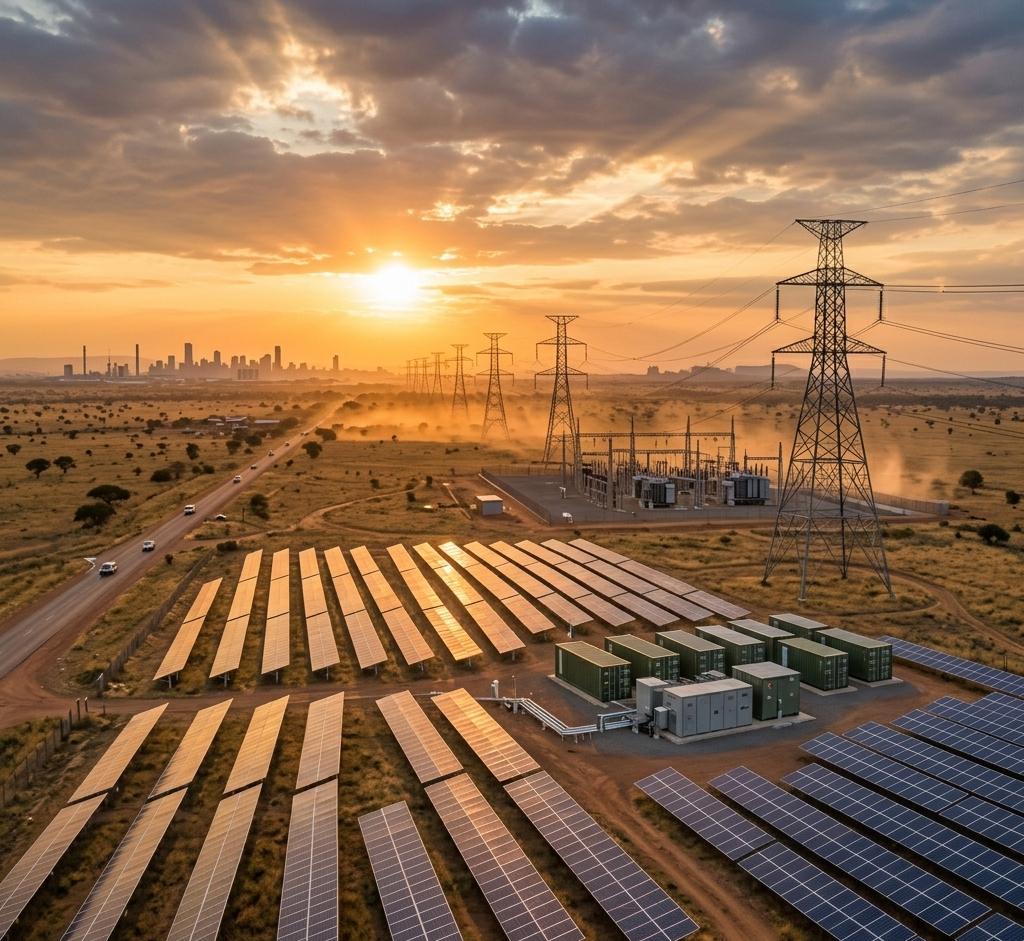
Battery storage is emerging as one of the most discussed technologies in the global energy transition. Governments, development institutions and private investors increasingly frame battery energy storage systems as the missing link between renewable energy expansion and reliable electricity systems.
The argument is simple: Solar and wind power are growing rapidly across the world, but their generation patterns fluctuate with the weather and the time of day. Battery storage allows electricity produced during periods of high generation to be stored and released later when demand rises.
For Africa, where solar potential is among the highest globally, this technological narrative has gained traction. Utility-scale solar plants are expanding in countries such as South Africa, Egypt, Morocco and Kenya, while smaller solar installations are proliferating across commercial and residential markets.
Battery storage appears to offer an elegant solution to several structural challenges simultaneously, and promises to stabilise electricity systems, support renewable integration and reduce dependence on diesel generators.
Yet beneath this growing enthusiasm, Africa’s electricity systems face multiple infrastructure deficits at once, transmission networks remain underdeveloped, and utilities often struggle financially and large parts of the continent still lack reliable electricity access.
In that context, policymakers must make difficult investment choices. Should limited capital be directed towards expanding generation capacity, strengthening transmission infrastructure or deploying storage technologies?
Battery storage is increasingly presented as a central component of modern electricity systems, but the key question for Africa is whether it represents an immediate infrastructure necessity or whether the current enthusiasm is running ahead of the continent’s power system realities.
Africa’s solar expansion and the changing electricity system
Over the past decade, renewable energy development across Africa has accelerated significantly. Solar energy in particular has become one of the fastest-growing sources of new electricity generation on the continent.
Falling technology costs and improved financing structures have enabled solar projects to expand across multiple markets; utility-scale solar parks are now operating in countries such as South Africa, Egypt, Morocco and Senegal, while distributed solar systems have spread rapidly across commercial and residential sectors.
This expansion reflects both technological and economic shifts. Solar generation costs have declined dramatically over the past decade, making solar one of the most competitive electricity sources in many African markets.
At the same time, governments and development partners increasingly view renewable energy as central to long-term energy security and climate strategies. Yet solar energy introduces a structural characteristic that fundamentally alters electricity system dynamics.
Solar generation follows the rhythm of daylight. Electricity production peaks during the middle of the day and declines sharply in the evening, a period when electricity demand often rises as households return home and businesses continue operating.
In electricity systems with small shares of solar power, this pattern is manageable; other generation sources, such as hydropower, gas plants or diesel generators, can adjust output to maintain balance. But as solar penetration increases, this mismatch between daytime generation and evening demand becomes more pronounced.
Electricity systems require mechanisms that allow energy produced earlier in the day to be delivered later when demand rises, and battery storage offers one such mechanism.
By storing excess electricity during periods of high generation and releasing it when needed, storage systems can help smooth the fluctuations inherent in renewable energy production. This is why battery storage is increasingly viewed as a critical component of modern electricity systems.
The question for Africa, however, is not simply whether storage is useful, but whether it is the most urgent investment priority for the continent’s evolving power systems.
What battery storage actually does for electricity systems
Battery energy storage systems perform several functions within modern electricity networks. While they are often discussed primarily as tools for storing renewable energy, their operational role within power systems is broader, with the most visible function being energy shifting.
Storage systems can capture electricity generated during periods of low demand and release it later when demand rises. This capability allows electricity produced by solar plants during daylight hours to support evening consumption. Beyond energy shifting, battery systems also provide critical stability services to electricity grids.
Modern power systems must maintain precise frequency and voltage levels to operate safely, because sudden changes in supply or demand can destabilise the grid and potentially trigger cascading outages.
Battery storage systems can respond almost instantly to these fluctuations, injecting or absorbing electricity to maintain system stability. This makes them particularly valuable for supporting grid reliability.
Storage systems can also help defer expensive infrastructure investments. In some cases, batteries can temporarily relieve congestion in transmission networks by storing electricity near generation sites or demand centres.
In highly renewable electricity systems, these capabilities become increasingly important. But the value of these services depends heavily on the structure of the electricity market in which the storage system operates.
In advanced electricity markets, battery operators are often compensated for providing ancillary services such as frequency regulation and reserve capacity. Many African electricity systems, however, don't yet operate such sophisticated market structures.
Without clear regulatory frameworks and revenue models, large-scale battery investments can struggle to attract financing. Battery storage may provide valuable technical services to electricity systems. But unless those services are properly recognised within market structures, investment in storage infrastructure may remain limited.
The economic realities of storage investment
Despite rapid technological progress, battery storage remains a capital-intensive infrastructure investment.
While battery costs have fallen significantly over the past decade, deploying large-scale storage systems still requires substantial financial resources. In electricity systems where utilities already face financial constraints, mobilising capital for new infrastructure can be challenging.
In many African countries, electricity tariffs don't fully cover the cost of power generation and grid operations. Utilities often rely on government support or development finance to maintain system stability.
Introducing large-scale storage infrastructure into such systems raises important economic questions, like who pays for storage?
In markets where electricity prices are regulated and ancillary service markets remain underdeveloped, identifying sustainable revenue streams for battery projects can be difficult. This challenge partly explains why battery deployment across Africa remains relatively limited compared with other regions.
While several high-profile projects have been announced, particularly in South Africa’s electricity system, the continent’s total installed battery capacity remains small relative to global markets.
The economics of storage also depend on the broader structure of the electricity system. In systems with high renewable penetration, storage becomes increasingly valuable as a tool for managing variability. In systems where renewable generation remains relatively modest, the economic case for large-scale storage may be weaker.
For many African countries, this raises an important sequencing question. Should battery deployment accelerate now in anticipation of future renewable growth, or should storage expansion follow once renewable penetration reaches higher levels?
The answer may vary across different electricity markets, but in many cases, the most pressing investment needs still lie elsewhere in the power system.
Why grid infrastructure may matter more in the short term
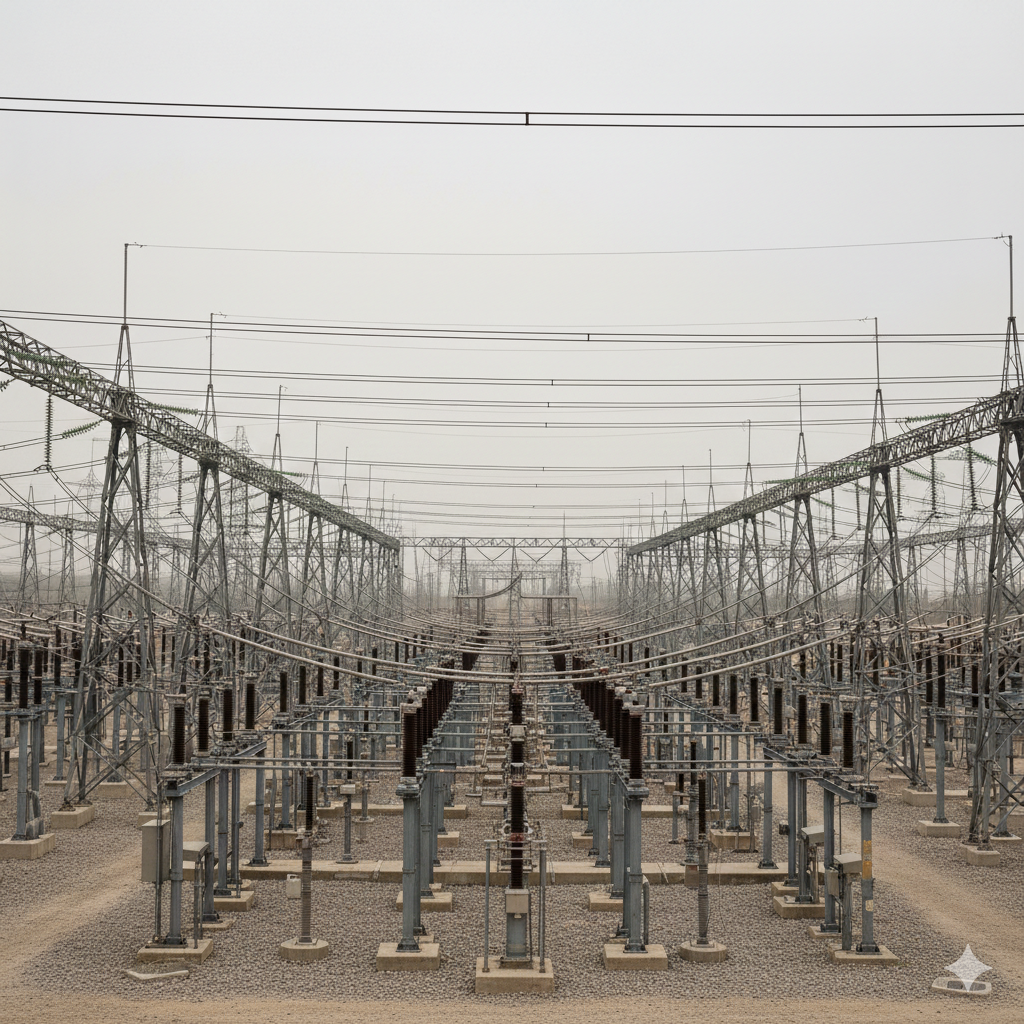
While battery storage can support electricity system flexibility, Africa’s most immediate infrastructure bottleneck remains transmission and distribution networks.
Across much of the continent, electricity grids remain underdeveloped and fragmented. Transmission networks often struggle to move power efficiently from generation sites to demand centres, while distribution systems face high technical and commercial losses.
In such contexts, strengthening grid infrastructure may deliver larger system benefits than deploying storage technologies. Expanded transmission networks allow electricity to flow across wider geographic areas, enabling countries to balance supply and demand more effectively. Regional electricity interconnections can also allow surplus power from one country to support shortages in another.
These capabilities provide a form of system flexibility that can reduce the immediate need for storage infrastructure. Grid expansion also enables new generation projects to connect to electricity systems more easily. In several African markets, renewable energy projects face delays because existing transmission networks can't accommodate additional capacity.
Rather, it suggests that storage should be viewed as part of a broader electricity system strategy rather than as a standalone solution. For many African countries, strengthening grid infrastructure may represent the first step toward building electricity systems capable of supporting large-scale renewable integration.
Where battery storage already makes sense
Although large-scale storage deployment remains limited in many African electricity systems, several market segments already demonstrate strong demand for battery technologies.
One of the most significant opportunities lies in replacing diesel-based backup power. Across Africa, unreliable grid electricity has led businesses, hospitals and telecommunications operators to rely heavily on diesel generators. These systems provide reliability but impose high fuel costs and environmental impacts.
Solar systems combined with battery storage offer an increasingly attractive alternative: Commercial and industrial customers can install solar panels to generate electricity during the day and use batteries to maintain power supply during evening hours or grid outages. This model reduces fuel costs while improving energy reliability.
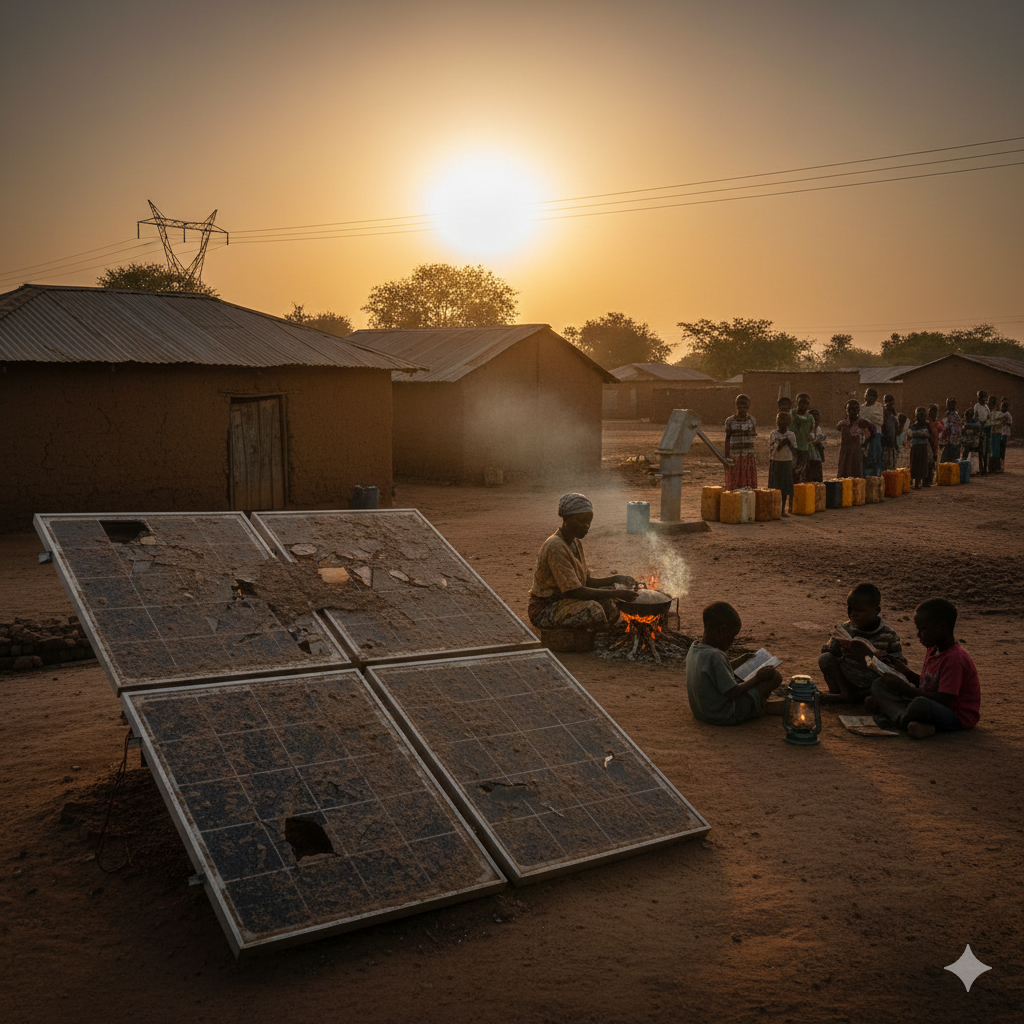
Battery storage is also playing a growing role in decentralised energy systems. Mini-grid developers frequently combine solar generation with battery storage to deliver electricity to rural communities that are not connected to national grids. These systems provide reliable power for households, schools and small businesses.
Because these markets operate largely outside traditional utility structures, they often provide clearer revenue models for storage deployment. As battery costs continue to decline, these decentralised applications may become one of the most important drivers of storage adoption across Africa.
Rather than emerging primarily through large national grid projects, battery storage may first scale through distributed energy systems and commercial markets.
Conclusion: hype, necessity, or both?
Battery storage occupies an increasingly prominent place in discussions about Africa’s energy transition.
Its technical capabilities are undeniable, and storage systems can stabilise electricity networks, support renewable integration and improve energy reliability. But the role of storage within Africa’s electricity systems must be understood within a broader infrastructure context.
For many countries across the continent, the most pressing electricity challenges remain access, grid expansion and utility reform. Transmission networks require substantial investment, and millions of households still lack reliable electricity.
In that environment, battery storage should not be viewed as a universal solution; instead, it represents one component of a complex infrastructure system that must evolve.
As renewable energy deployment accelerates and electricity systems become more interconnected, the importance of storage will likely grow. But its role will depend on how effectively African countries strengthen the underlying institutions and infrastructure that support their power sectors.
Battery storage is neither pure hype nor an immediate panacea. It is a technology whose importance will rise as Africa’s electricity systems mature. The real policy challenge lies not in determining when and where it matters most.