Africa’s Energy Transition Is Being Decided by Electricity Costs Not Policy
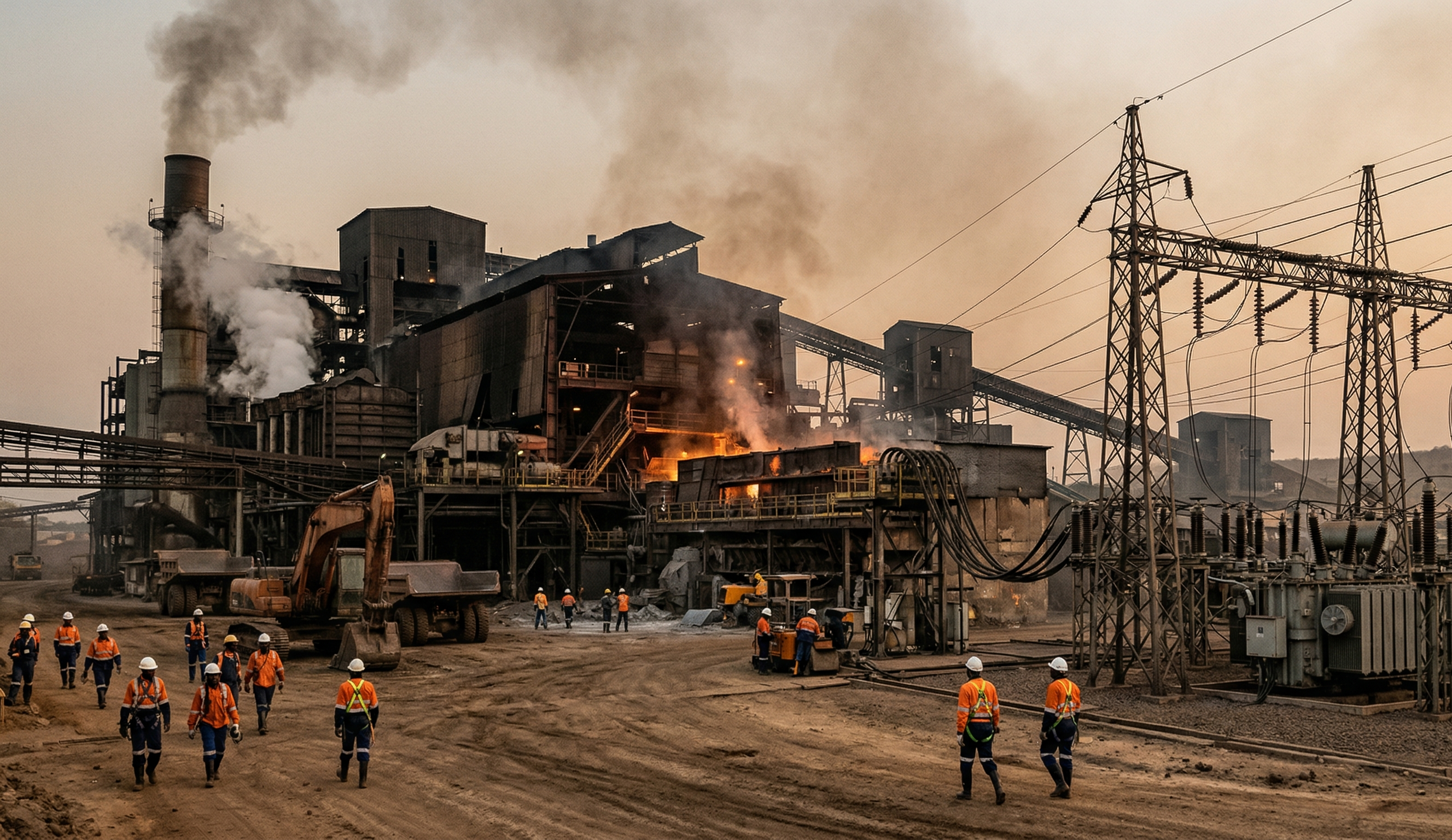
Across parts of Africa’s industrial landscape, a quiet but consequential shift is underway. Energy-intensive facilities, particularly smelters, are scaling down operations, suspending production, or closing entirely. What was once considered a stable foundation for mineral processing is now under pressure, and the implications are far broader than individual firms.
Recent developments in South Africa illustrate this clearly. Electricity tariffs have increased dramatically over the past decade, rising several multiples in real terms. At the same time, supply reliability has deteriorated, with frequent outages and system instability affecting industrial users.
For companies operating smelters, where continuous high-temperature processes are essential, this combination has proven unsustainable, resulting in a visible contraction.
Facilities that once processed minerals domestically are now operating below capacity or shutting down altogether. Investment decisions are shifting. Some firms are reconsidering long-term commitments, while others are exploring alternative locations with more stable and affordable energy systems.
This is not simply an industrial adjustment, but a signal that Africa’s energy system, particularly its cost structure, is beginning to shape, and in some cases constrain, the continent’s industrial future.
The shift from capacity to cost
For much of the past decade, discussions around Africa’s energy transition have focused on expansion. Governments, development institutions and investors have prioritised increasing generation capacity, expanding access and accelerating renewable deployment. Metrics such as installed megawatts, electrification rates and solar capacity additions have dominated the conversation.
These indicators remain important and reflect real progress in addressing energy deficits and expanding access across the continent. But they don't capture the full picture.
For industrial users, the central question isn't how much electricity is generated, but how much it costs. Electricity must be available, affordable and predictable. Without these conditions, industrial activity becomes difficult to sustain.
This distinction is becoming increasingly significant because, as tariffs rise and system inefficiencies persist, the cost of electricity is emerging as a primary determinant of industrial competitiveness.
Energy-intensive sectors, including mineral processing, manufacturing and heavy industry, are particularly sensitive to these costs. The energy transition is entering a new phase where it isn't solely defined by capacity expansion, but also by electricity economics.
When electricity becomes a constraint on industry
Electricity systems are often described as enablers of economic activity. They provide the foundation upon which industries operate, allowing production processes to function and economies to grow. But under certain conditions, electricity can shift from being an enabler to becoming a constraint.
This occurs when costs rise beyond competitive levels or when reliability deteriorates to the point where production can't be sustained efficiently. For industrial users, the consequences are immediate.
High electricity costs increase production expenses, reducing margins and making operations less competitive in global markets. Unreliable supply introduces additional risks, forcing companies to invest in backup systems or accept disruptions that affect output and efficiency.
These pressures shape decision-making. Firms respond by reducing output, delaying investment, relocating operations or exiting markets entirely. Over time, this leads to a contraction in industrial capacity and a shift in economic structure.
This is the dynamic now visible in parts of Africa. Electricity systems aren't failing in absolute terms, but are failing to meet the specific needs of industry. And when that happens, industrial activity begins to retreat.
The contradiction at the heart of Africa’s energy system
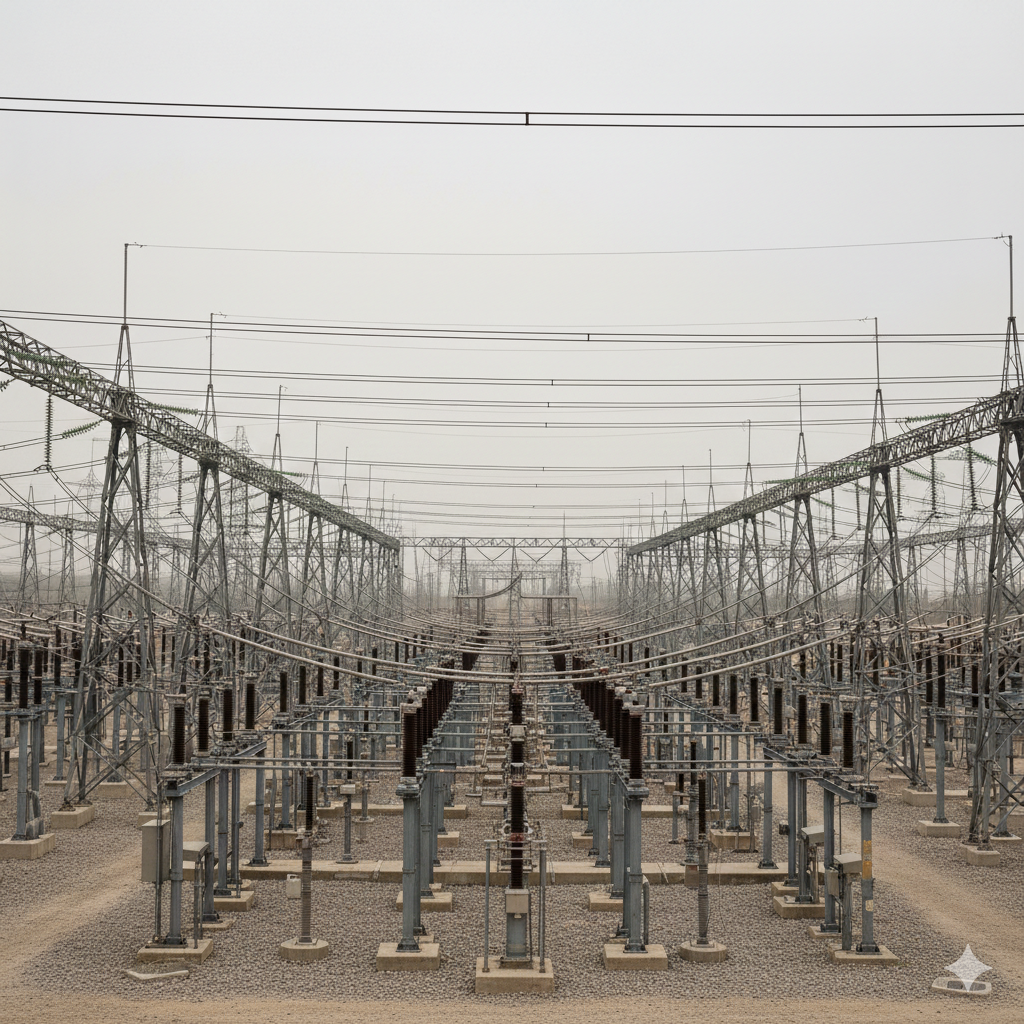
Africa’s energy landscape is defined by a striking contradiction. The continent possesses vast energy resources, including solar, wind, and hydropower opportunities. In theory, these resources should provide a strong foundation for competitive electricity systems.
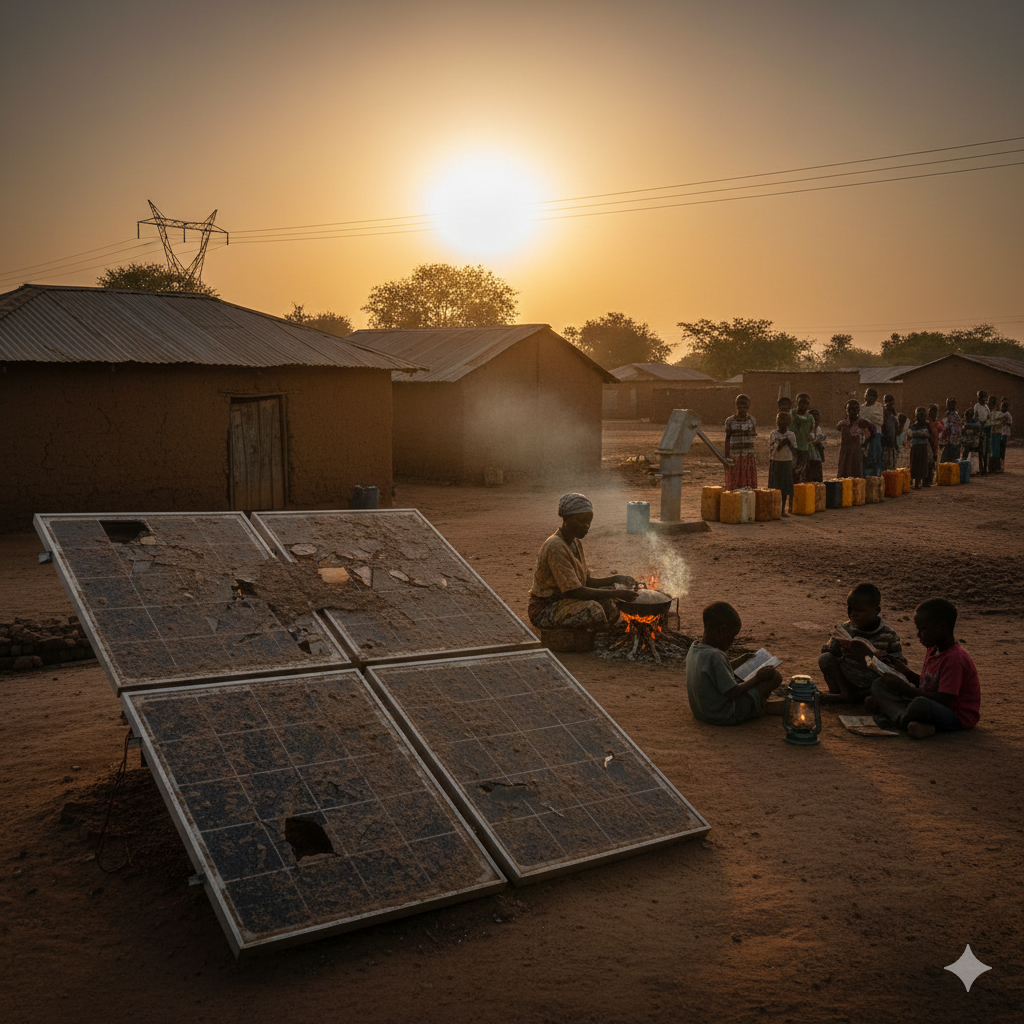
Yet in practice, electricity remains expensive and unreliable in many African markets. This contradiction reflects deeper structural challenges within the energy sector.
In many cases, these factors combine to produce electricity that is available but not competitive. For households, this may result in higher tariffs or limited access, while it has even more significant implications for industry. It determines whether production can occur at scale and at cost levels that allow firms to compete internationally. This contradiction, between resource abundance and cost competitiveness, lies at the centre of Africa’s energy challenge.
The industrial test of the energy transition
The success of an energy transition is often measured through environmental and social indicators, such as emissions reductions, renewable capacity growth and expanded electricity access. These metrics are important and reflect progress toward broader sustainability goals.
However, there is another equally critical dimension. Can the energy system support industrial activity? Industrial capacity is central to economic transformation. It enables countries to move beyond raw material exports, create jobs and develop more complex economies, and without it, the benefits of the energy transition may remain limited to improved access and environmental outcomes, without translating into structural economic change.
This is where the concept of an “industrial test” becomes relevant. If electricity systems cannot provide reliable, affordable power for factories, processing plants and manufacturing facilities, they cannot support industrialisation.
In this sense, the energy transition must be evaluated not only by how much power is generated, but by what that power enables. And in many African contexts, that test remains unresolved.
Beneficiation meets electricity reality
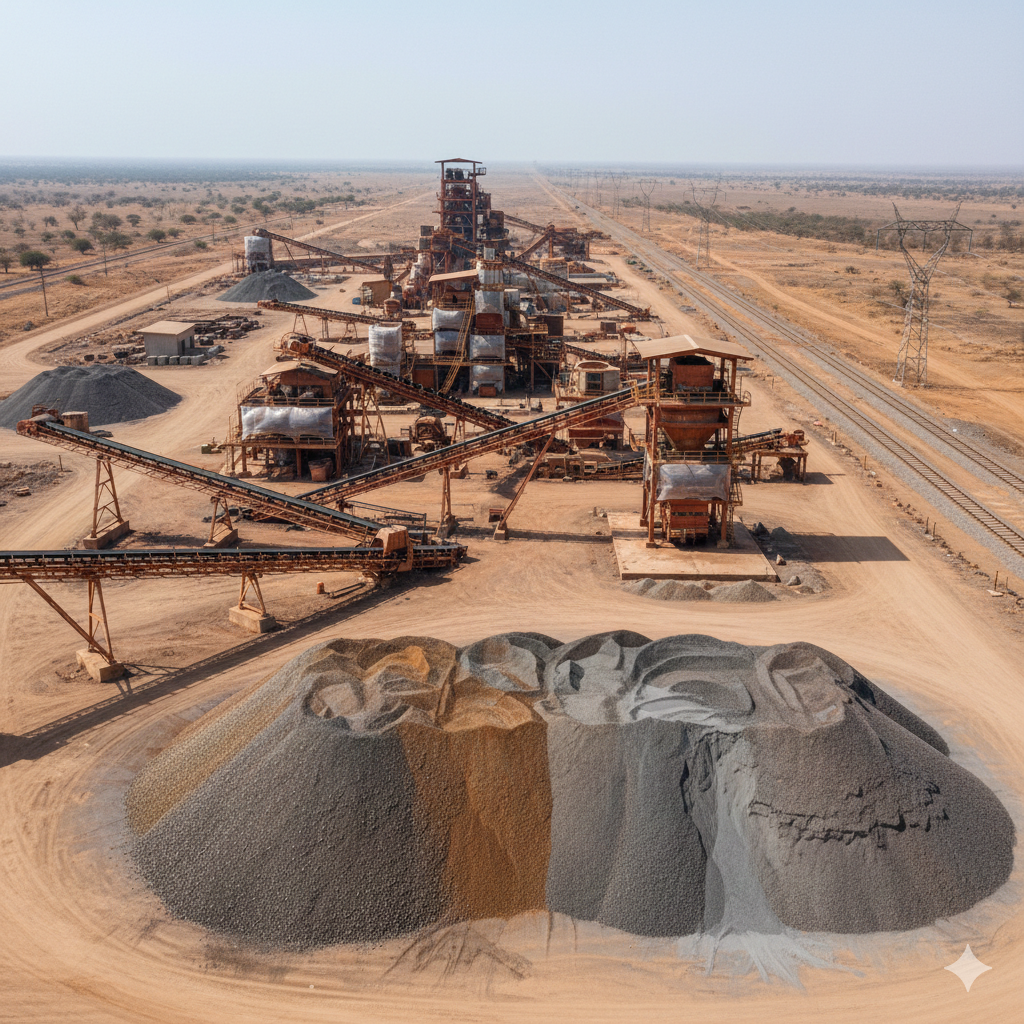
The debate around beneficiation has become central to Africa’s economic strategy. Governments across the continent are seeking to process minerals locally rather than exporting raw materials. The objective is clear: capture more value, create employment and build industrial capacity linked to global supply chains.
But beneficiation isn't simply a policy choice. It is an industrial process that depends on specific economic conditions. Mineral processing requires a large, continuous and stable electricity supply. Smelting, refining and chemical processing operations are highly sensitive to both cost and reliability, so interruptions or cost increases can significantly affect viability.
This creates a direct link between electricity systems and beneficiation outcomes. Where electricity is affordable and reliable, processing can develop, and where it isn't, processing becomes difficult to sustain.
The recent contraction in smelting capacity highlights this reality. Africa’s ambition to move up the value chain is encountering the constraints of its energy system. And without addressing them, beneficiation may remain limited in scale.
The hidden cost of unreliable power
Electricity tariffs provide only a partial view of energy costs. In many African markets, the more significant issue is reliability.
Power outages, voltage fluctuations and system instability create uncertainty for industrial users. For processes that depend on continuous operation, such as mineral processing, these disruptions can be particularly costly.
This creates what can be described as the “effective cost” of electricity, which isn't defined solely by tariffs, but by the combined cost of ensuring reliable supply. For many industrial users, this effective cost is significantly higher than official electricity prices suggest, and it is this cost that ultimately determines competitiveness.
Policy ambition versus economic reality
African governments have demonstrated increasing ambition in energy and industrial policy. Renewable energy targets are expanding, electrification programmes are advancing, and strategies for industrialisation and local value addition are being developed and implemented.
These efforts reflect a clear recognition of the need to transform energy systems and economies. However, policy ambition operates within economic constraints. If electricity remains expensive and unreliable, the ability of policies to achieve their intended outcomes is limited. Mandating local processing or setting industrial targets doesn't change underlying cost structures.
Investors and firms respond to economic signals. If processing minerals locally is more expensive than exporting them, capital will flow accordingly. If energy costs undermine competitiveness, industrial activity will struggle to scale. This creates a gap between policy objectives and economic reality, and bridging that gap requires aligning energy systems with industrial needs.
What would change the trajectory?
Addressing the role of electricity costs in shaping industrial outcomes requires a shift in approach. Electricity must be viewed not only as a service, but as a strategic input into economic development. This means prioritising affordability and reliability for productive sectors.
Improving grid stability is essential. Reducing outages and system losses can lower the effective cost of electricity, and expanding transmission infrastructure can connect generation to industrial zones, enabling more efficient power delivery.
Tariff structures may also need to be reconsidered. Industrial users require pricing that allows them to compete globally, and at the same time, utilities must remain financially viable, creating a complex policy balance.
Integrating renewable energy into systems that provide a stable supply is another critical element. Generation must be complemented by storage, flexible systems and grid management capabilities. These changes are not immediate, but are necessary if electricity is to support, rather than constrain, industrial development.
Conclusion: cost will decide the transition
Africa’s energy transition is often framed as a question of ambition and capacity. How much renewable energy can be deployed? How quickly can access be expanded? How can emissions be reduced?
These questions are important. But they don't fully capture the dynamics that will shape economic outcomes. Electricity cost is emerging as the decisive factor; If power remains expensive and unreliable, industrial activity will continue to face constraints, processing capacity may decline, and efforts to move up the value chain will encounter structural limits.
If electricity becomes more competitive and reliable, the opposite becomes possible; industry can expand, beneficiation can scale, and economic transformation can take root.
The future of Africa’s energy transition won't be determined solely by how much power is generated, but by how much that power costs, and what it allows economies to do.