Niger Delta Trusts Hold Energy Funds. No Developer Is Building.
New policy analysis by Damilola Olowookere, Not Built to Find Them: Niger Delta trusts hold energy funds, yet Nigeria's off-grid finance cannot see them.
Executive Summary
Four Host Communities Development Trusts in the Niger Delta hold statutory funds earmarked for energy and have completed technical sizing, yet none has begun construction, and only one is close to a developer partnership. This analysis argues that developers hold back because the trusts' communities are coastal and costly to serve, and that Nigeria's main off-grid programme, the World Bank-funded Distributed Access through Renewable Energy Scale-Up (DARES) project, has no way of bringing trust capital to bear on those harder sites, even though its rules allow trusts to take part. Drawing on DARES documents, World Bank project papers, the upstream host community regulations and the author's technical assistance to the four trusts, it proposes that the Rural Electrification Agency act within its existing mandate to identify fund-holding trusts and match them with qualified developers.
Key Findings
Host Communities Development Trust contributions had passed ₦373 billion across more than 160 trusts by October 2025. Four trusts set aside about ₦100 million to ₦600 million a year for energy and have completed sizing, yet none has begun construction. DARES pays at most US$600 per connection for isolated mini-grids, however costly the site, so developers start with cheaper upland sites. Trusts cannot easily join DARES consortia: they lack three years of audited accounts and may not distribute profit to members. In one trust's study, a developer would still need to finance about US$526,000 to US$817,000 after the grant; the trusts' annual earmarks could cover between one-seventh and most of the smaller gap. The one trust close to a deal got there through outside brokering, not any REA process. REA could issue a guidance note and register fund-holding trusts with finished designs, within its existing mandate.
Since 2021, Nigeria's oil and gas companies have had to pay 3 percent of their annual operating expenditure into trusts for their host communities. By October 2025, contributions had passed ₦373 billion across more than 160 trusts.
Four of those trusts, three in Delta State and one in Ondo, have written energy into their development plans, completed site assessment and sizing, and set aside between about ₦100 million and ₦600 million a year for it. None has begun construction. Only one is close to a developer partnership. Damilola Olowookere, who provided technical assistance to all four, argues that Nigeria's main off-grid programme was never built to find them.
Coastal sites cost more, and the grant does not
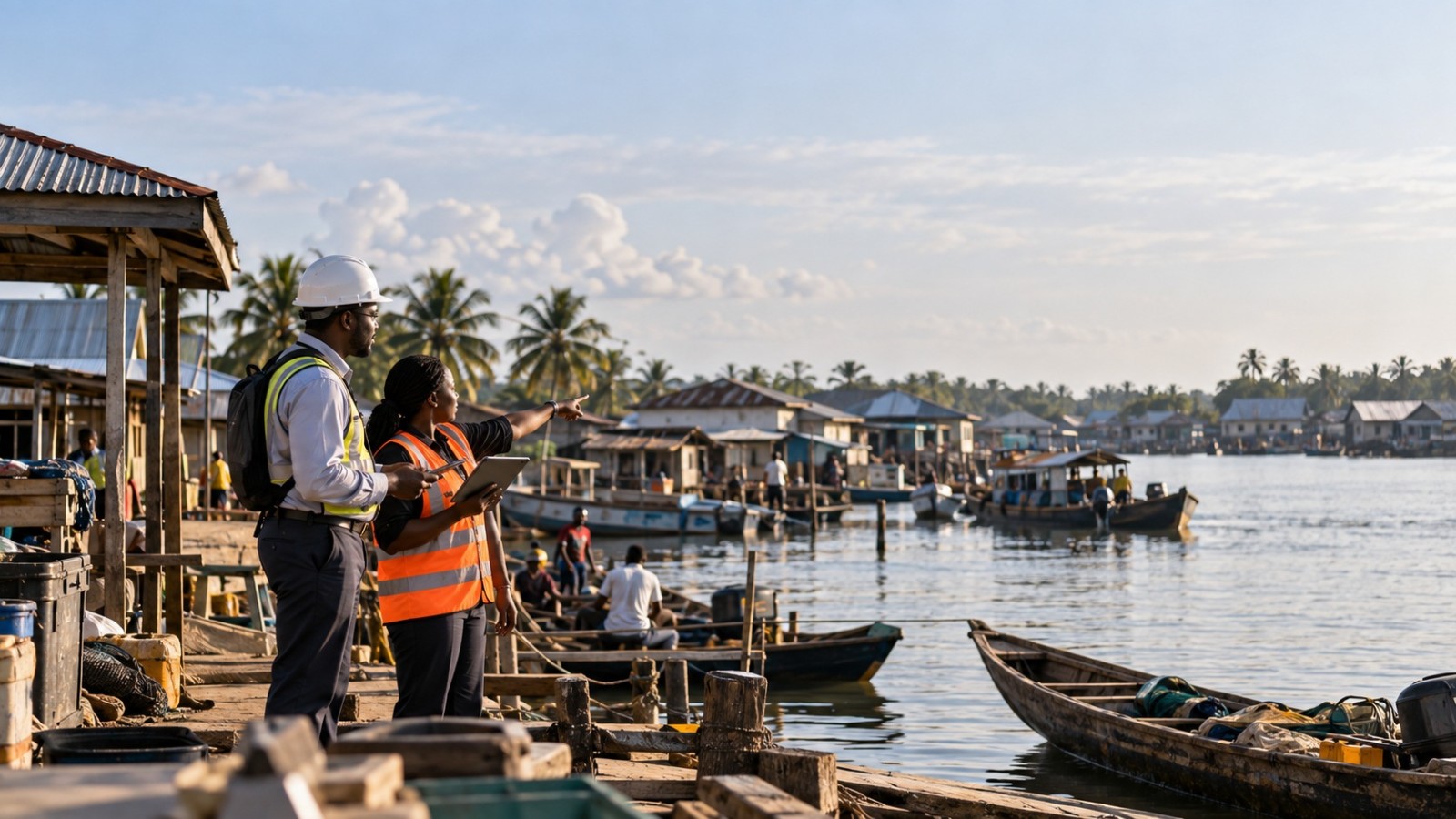
The trusts serve coastal and riverine communities. Developers active in the region do not object to trusts as partners. Their concern is that these sites cost more to reach, build in and run than the upland communities they already serve.
The Distributed Access through Renewable Energy Scale-Up project (DARES), a US$750 million World Bank-financed programme run by the Rural Electrification Agency (REA), pays a performance-based grant for isolated mini-grids of between US$350 and US$600 per verified connection. The ceiling is US$600, however costly the site. Developers propose sites themselves, so they will reasonably start with the cheaper ones.
The door is open, but nobody walks through it
DARES does not shut trusts out. Its manual accepts consortia, and a trust could join one or invest in a developer's project company. In practice, both routes are hard. Consortium members need three years of audited statements, which trusts funded only from 2024 cannot yet show. As incorporated trustees, trusts may not pay profit to members, and whether capital-fund money can earn a return in a developer's company is unaddressed in the regulations.
Where progress has happened, a broker made it. The one trust now in advanced discussions with a developer got there because an outside party found the developer and helped shape the terms, through ad hoc technical assistance rather than any REA process. A published Nigerian case shows the same pattern: in Mokoloki, Ogun State, a community holds a stake in its mini-grid, arranged by a third party.
The test: are the sites simply too expensive?
One trust's pre-development study allows a test. It sizes eight solar hybrid systems and one mesh grid serving 1,192 connections across 17 coastal communities, at about US$1,034 per connection. Even at the top grant rate, a developer would still need to finance about US$526,000, rising to about US$817,000 at the lowest rate.
The four trusts' annual earmarks would cover between one-seventh and most of the smaller gap. The sites are costly, but trust capital acts directly on that cost.
Other explanations do not hold up. Trusts are delivering other projects, including more than 500 by one Rivers State trust. Governance concerns are real, with boards often dominated by settlors' former staff and local elites, but that argues for setting conditions at programme level, not for leaving trust capital out.
DARES needs this capital now
The World Bank's June 2026 restructuring of DARES cut the private capital it expects for mini-grids from US$613 million to US$278 million and recorded limited appetite for isolated mini-grid tenders. The Bank now calls for approaches that draw investment into harder operating conditions. Trust capital is local, recurring and committed to those sites. That gap mirrors a wider pattern: the economics of electrification tend to favour the communities easiest to reach.
What REA can do inside its mandate
The DARES Project Management Unit can act now, without changing the manual. It could issue a short guidance note on how a trust may join as a consortium member or investor, and how audit and safeguards rules apply. It could also register trusts that have earmarked funds and completed sizing, and share that register with qualified developers, as it already shares site data. That would turn the brokering one trust received through ad hoc technical assistance into a routine function.
Longer term, REA and the upstream regulator NUPRC would need an agreed approval route and a single legal opinion on whether trusts may hold equity and earn returns. Recognising trusts as co-financiers in the manual would need World Bank agreement. Resistance is likely, from stretched staff to settlors wary of long contracts. Against that, the programme needs co-finance for the very sites these trusts serve, and the route to financial close runs through someone willing to put local money at risk.
The full analysis, including the three figures, the regulatory analysis and complete references, is available for download.
Suggested Citation
Olowookere, D. (2026). Not Built to Find Them: How Nigeria's Off-Grid Finance Architecture Overlooks Community-Held Capital. ETA Fellows Programme Signature Analysis. Abuja: Energy Transition Africa.