Why Energy Access Alone Will Not Empower Women in Botswana
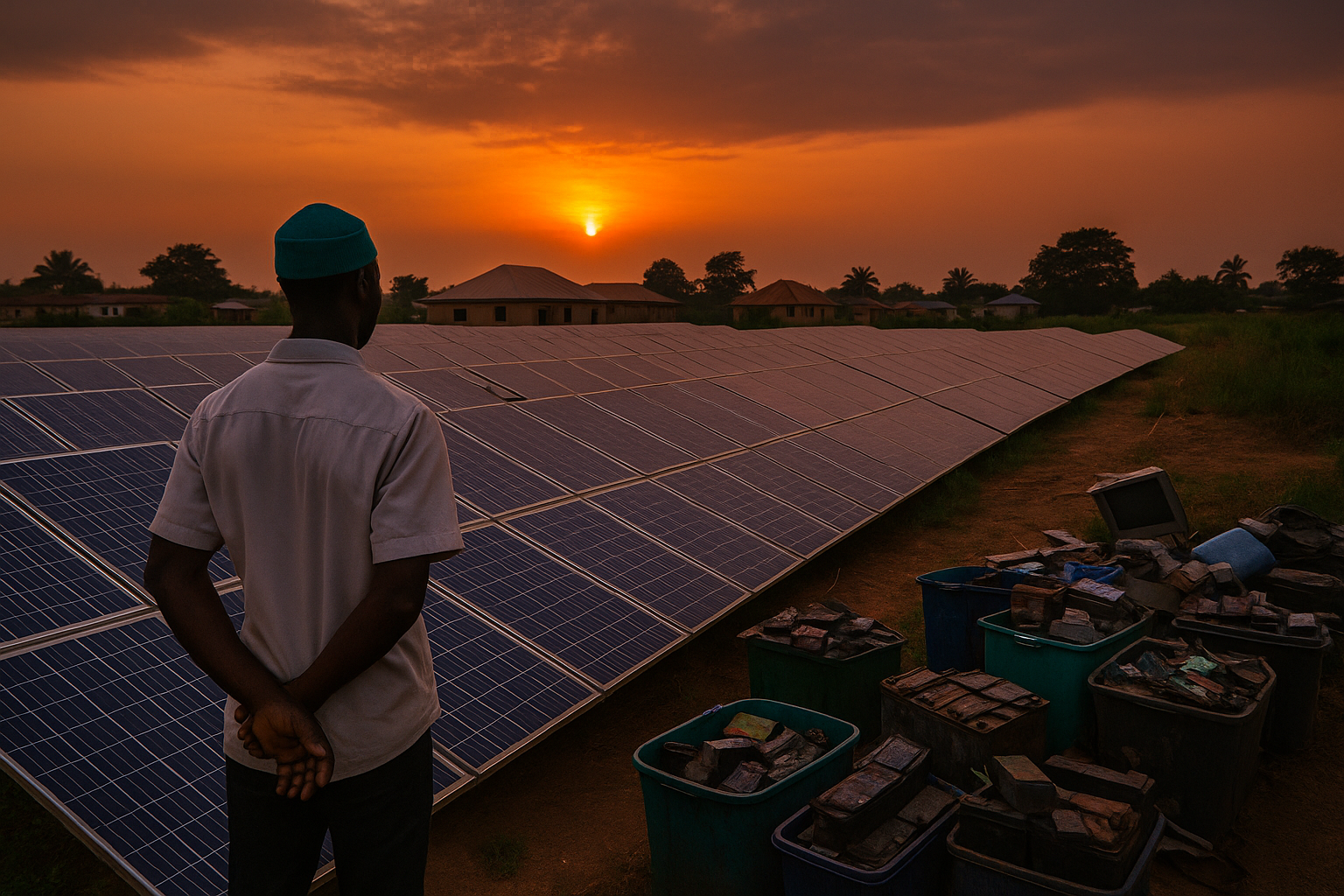
On 16 April 2026, President Duma Boko broke ground on the 500 MW Maun solar plant, paired with 500 MWh of battery energy storage, developed through a government-to-government partnership with Oman under a 30-year power purchase agreement with the Botswana Power Corporation. The project will more than double Botswana's effective power generation capacity. The President's framing was unambiguous: "This is not just a project. It is a clear statement that Botswana is poised to be a regional energy hub."
The ambition is real. So is the gap that ETA Policy Brief Issue 003 examines.
Botswana's National Energy Compact commits to connecting more than 220,000 new households to electricity and raising the renewable share of the power mix from 8 percent to 50 percent by 2030. Women currently hold 16 percent of technical staff positions at the Botswana Power Corporation, 240 women out of 1,535 technical employees. Female students account for 21 percent of engineering and technology enrolments at the University of Botswana. Youth unemployment stands at 38.2 percent, with over 342,000 young people not in employment, education, or training. These numbers sit alongside each other. The relationship between them is the subject of this brief.
The brief's central argument
Why Energy Access Alone Will Not Empower Women in Botswana is authored by Mphoentle Katlo Soke, Founder of Maungo a Letsatsi, a Botswana-based social enterprise advancing women-centred and youth-led renewable energy solutions for off-grid communities. The brief draws on original field research in Botswana's Tswapong villages and comparative evidence from Kenya, Nigeria, Senegal, and Malawi.
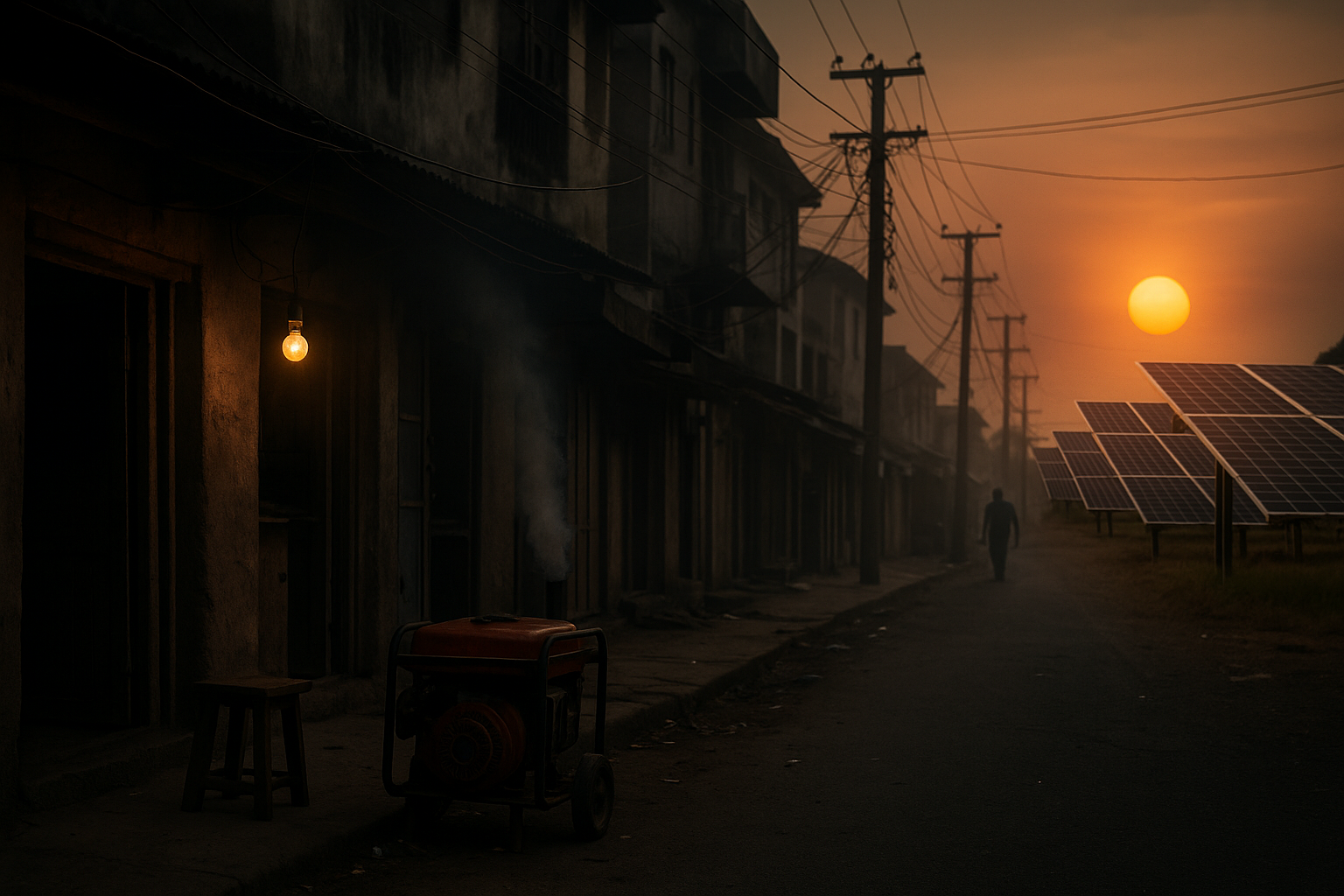
Its central finding is that electrification and economic empowerment are not the same policy outcome. Without electricity, women in rural Botswana spend approximately two hours daily collecting fuel and three hours cooking, time displaced from education and income generation. Women account for up to 91 percent of household fuel and water collection time in some communities. Connecting a household to electricity reduces that burden. It does not automatically redirect the freed time into economic participation.
The Tswapong field research found that 78 percent of women who complete vocational training remain in unpaid household work one year later. The primary barrier is not the absence of skills but the absence of start-up capital, typically BWP 3,000 to 5,000, and mentorship. Training without capital produces certificates, not enterprises.
What the Off-Grid Solar Fund is currently missing
The Off-Grid Solar Fund, due to be operationalised in 2026, is the government's primary financing mechanism for rural solar deployment. The brief identifies three mechanisms its current design does not include.
Gender-differentiated financing. No reserved funding window exists for women-led energy enterprises. The brief recommends that at least 30 to 40 percent of OGSF funding be reserved for women-led enterprises, with lower interest rates, longer repayment periods, or grant components.
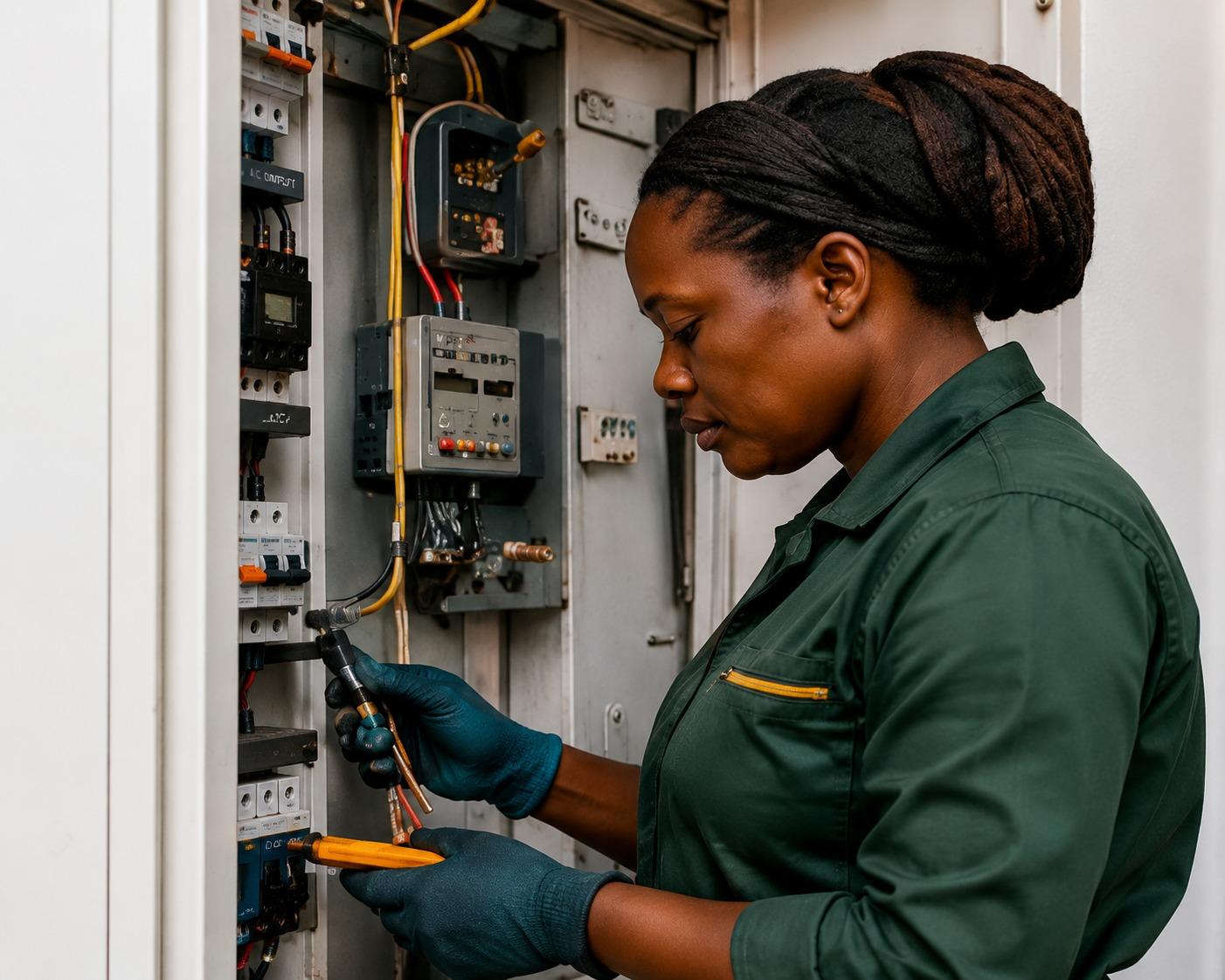
Technical training linked to business incubation. The Compact calls for certified technician training but does not connect it to enterprise creation. The brief recommends embedding business management, digital literacy, seed capital access, and mentorship into training pathways, producing entrepreneurs, not only employees.
Enforcement of the 20 percent procurement quota for youth- and women-owned businesses, which the brief's field research found is not currently applied to off-grid solar tenders. Short deadlines, high bid bonds, and advertisements not published in local languages exclude qualified women-led businesses on procedural grounds. The brief recommends a binding Ministry of Minerals and Energy directive that makes the quota a non-waivable condition for all off-grid solar tenders exceeding BWP 500,000.
What the comparative evidence shows
Each recommendation is grounded in models already producing results elsewhere.
Kenya's M-KOPA has connected more than 600,000 homes through pay-as-you-go financing with explicit gender targets: 52 percent of its permanent East African workforce and 44 percent of commissioned sales agents are female; 75 percent of customers report increased income. Solar Sister has created more than 10,000 women-owned clean energy businesses across Nigeria, Kenya, and Tanzania, reaching 1.8 million people, with 84 percent of entrepreneurs reporting they are better off financially. In Malawi, the World Bank-backed Electricity Access Project exceeded its 30 per cent gender target 41 percent of off-grid systems went to female-headed households, and female technical staff at the national utility rose from 10 per cent to 19 percent. The lesson across all three: gender-differentiated targets work when mandated and monitored.
The policy window
The Off-Grid Solar Fund isn't yet operational, and its rules are not yet finalised. That window will close once they are.
The brief calls for two specific actions before it does. The OGSF's design must be amended to include a reserved financing window for women-led enterprises, with quarterly compliance monitoring reported publicly. The Ministry of Minerals and Energy must issue a binding directive making the 20 percent procurement quota a non-waivable condition for all relevant tenders.
Where gender targets have been mandated and enforced, women move from energy consumers to energy entrepreneurs. Where they remain good intentions, the Tswapong data shows what follows: 78 percent of trained women back in unpaid household work within a year, and the economic value the panel on the roof was meant to unlock is still out of reach.
The 500 MW Maun plant is the largest energy investment in Botswana's history. The Off-Grid Solar Fund will determine who captures the economic value its power enables. The brief is a call to act before that window closes.
The full policy brief, including detailed recommendations, trade-off analysis, country case studies, and complete references, is available to download below.